

Active Pharmaceutical Ingredients


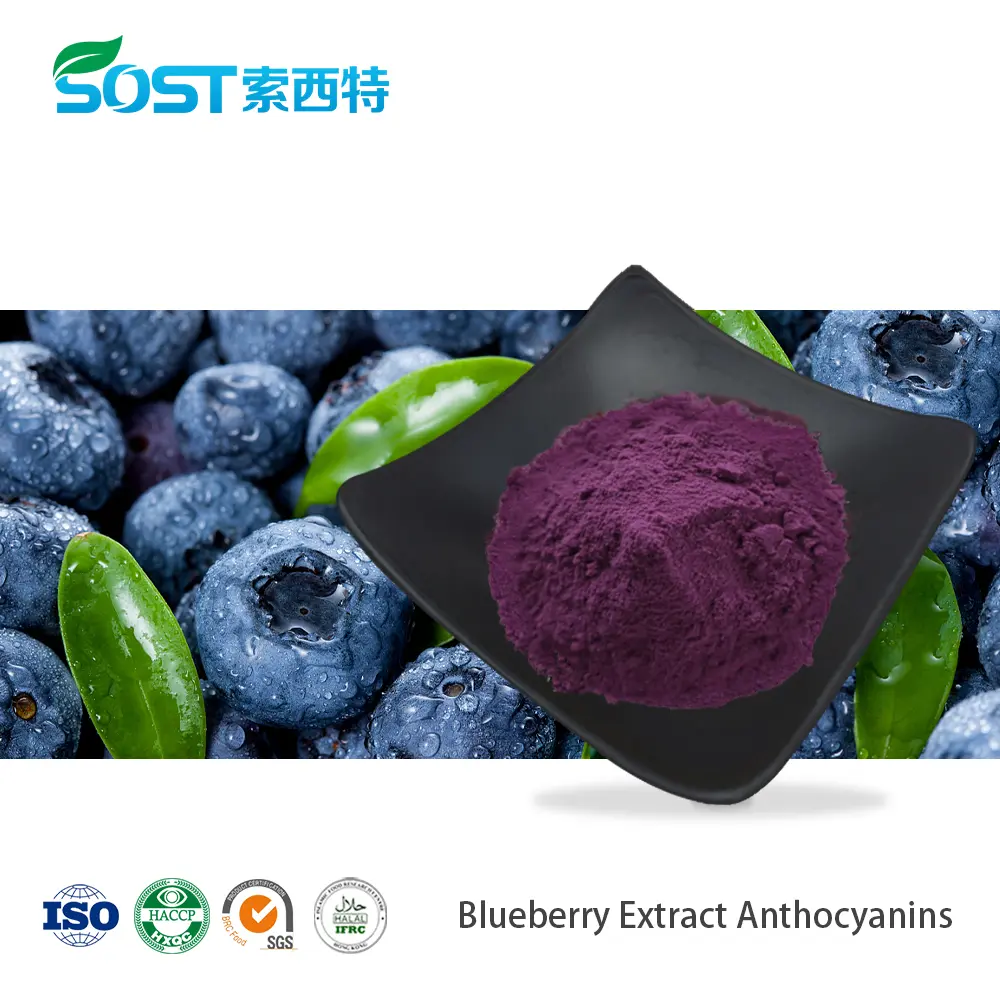
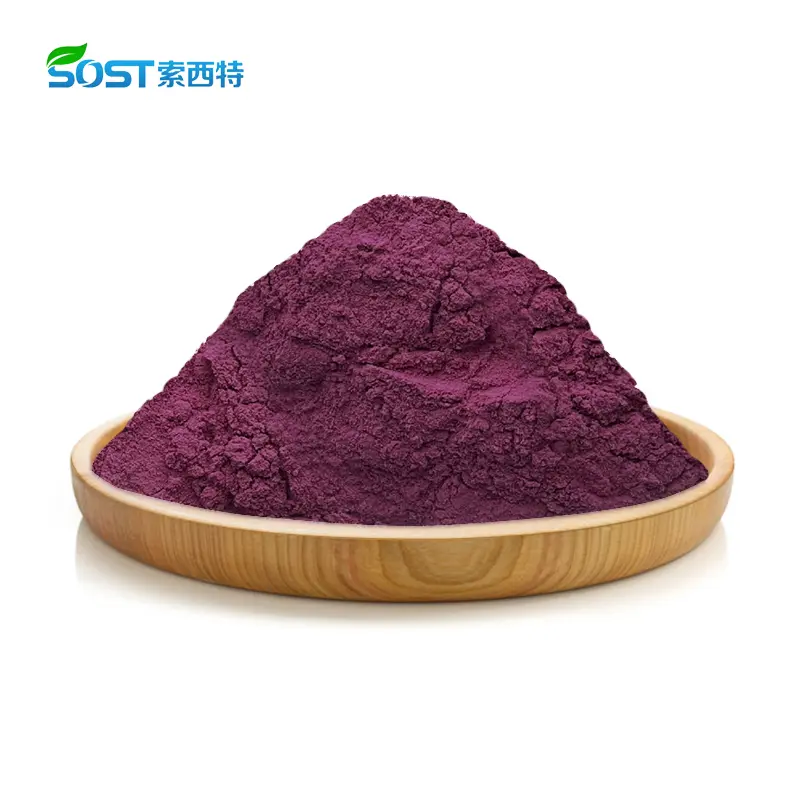
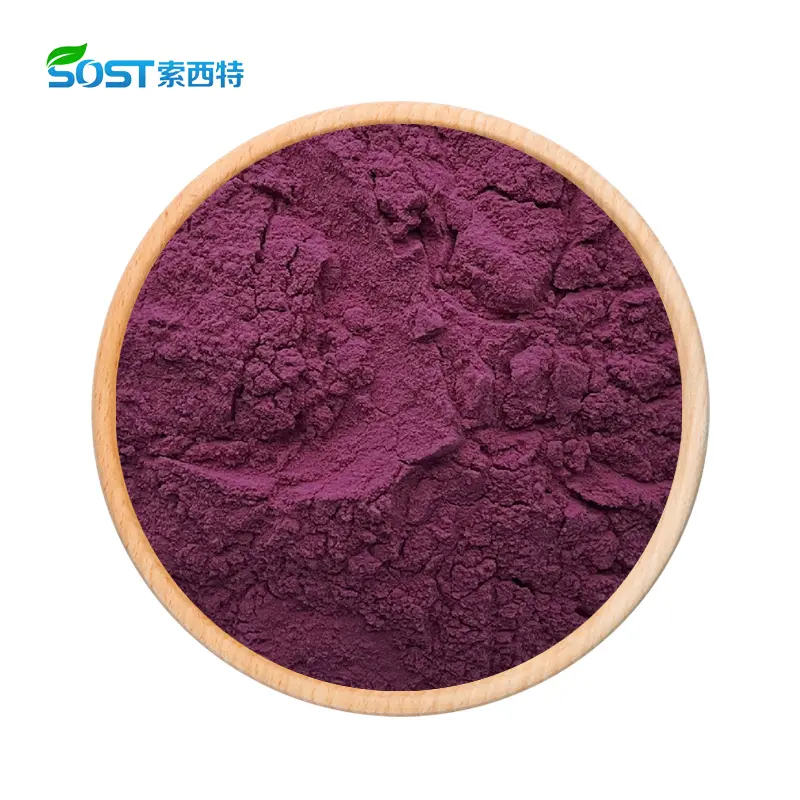


what is Acai Berry Extract Anthocyanidins?
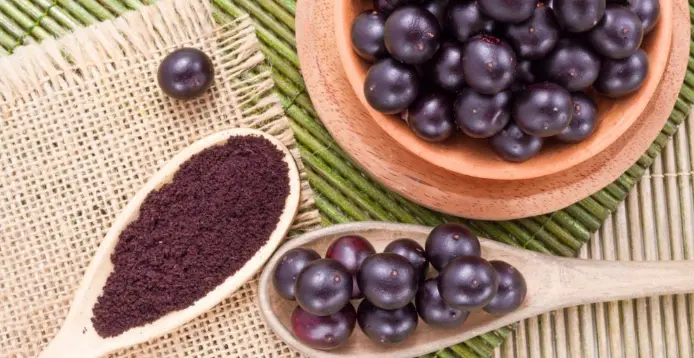
Acai Berry extract Anthocyanins are a type of natural pigment and functional ingredient extracted from the fruit of the palm plant Euterpe oleracea Mart, which is native to the Amazon rainforest in Brazil. They belong to the flavonoid polyphenol compound and are the key active substance that makes acai berries appear dark purple.
Acai Berry Anthocyanins benefits
*Antioxidant - it helps you prevent "body rust" caused by staying up late, smoking, and eating junk food.
*Anti-inflammatory - take a little when you have a sore throat or swollen gums, Acai Berry Anthocyanins can relieve the pain.
*Whitening - it is not bleaching, but it reduces the speed of darkening after sun exposure. You have to take it for a long time to see the effect.
COA
| Analysis | Description | Test Method |
| Appearance | Dark Purple Fine Powder | Visual |
| Odor | Characteristic | Nasil |
| Identification | Conform with reference sample | HPLC |
| Mesh Size | 100% pass 80 mesh | CP2020 |
| Moisture Content | ≤5.0% | GB5009.3 |
| Ash Content | ≤ 5.0% | GB5009.4 |
| Heavy Metals | ≤ 10 ppm | CP2020 |
| Arsenic (As) | ≤ 2.0 ppm | BS EN ISO17294-2 2016 2016 |
| Lead (Pb) | ≤ 3.0 ppm | BS EN ISO17294-2 2016 |
| Cadmium (Cd) | ≤ 1.0 ppm | BS EN ISO17294-2 2016 |
| Mercury (Hg) | ≤ 0.1ppm | BS EN ISO17294-2 2016 |
| Total Plate Count | ≤ 1,000 cfu/g | ISO 4833- 1:2013 |
| Yeast and Mold | ≤ 100 cfu/g | ISO 21527-2:2008 |
| Escherichia Coli | Absent | ISO 16649-2:2001 |
| Salmonella/25g | Absent | ISO 6579-1:2017 |
| Assay(Anthocyanidins) | ≥ 25% | UV |
Why do nutritionists remind us to "eat as little as possible"?
Although the sugar content is low, it is not zero: there are about 8 g of sugar in 100 g of freeze-dried powder. Eating three spoons in one go is equivalent to eating a small apple.
High potassium: each 100 g of powder contains about 900 mg of potassium. People with poor kidney function should take it easy.
Calorie trap: The "Acai bowl" on the market often adds honey, condensed milk, and coconut flakes. A bowl starts at 500 kcal, and a fat-reducing meal turns into a fat-gaining meal in seconds.
Pollution risk: The rainforest environment is humid. If the processing link is not up to standard, parasites or mycotoxins may be detected.
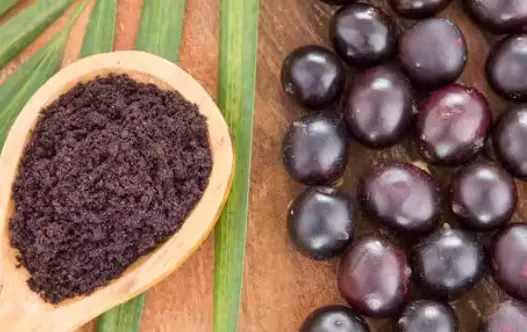
How many grams of Acai powder should be consumed every day?
• Daily health care: 3-5 g, mix with yogurt in the morning and a cup of warm water in the evening.
• Fitness party or short-term enhancement: 5-10 g, divided into two times with meals, drink once within 30 minutes after training.
• If the formula has added sugar substitutes such as stevia extract, you can increase it to 10 g, but don't forget to include the total sugar in the 25 g daily limit.
For first-time users, start with 1 g for allergy testing, and then increase it slowly after no diarrhea or rash for three consecutive days.
How to buy Acai Berry Extract Anthocyanidins?
Product specifications:
Acai berry anthocyanin 5%-25%
Anthocyanin 10%-36%
Customizable water-soluble or organic certified version
Minimum order quantity: generally 1 kg, negotiable for large quantities.
Sample: Free samples are supported (freight to be paid).
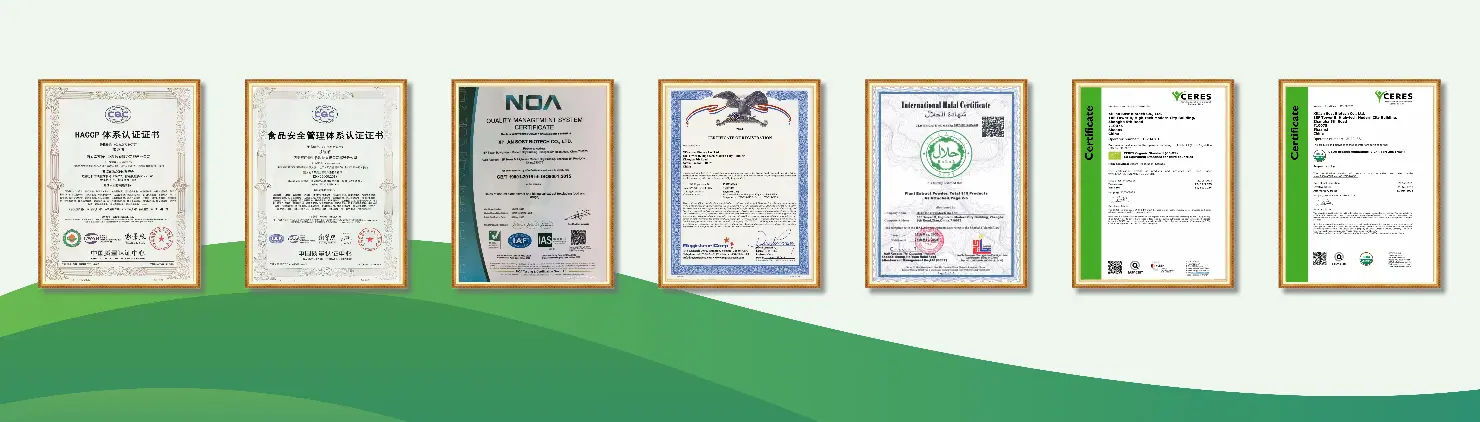
Testing: Provide COA, HPLC spectrum, organic certificate, etc.
Email:ericyang@xasost.com
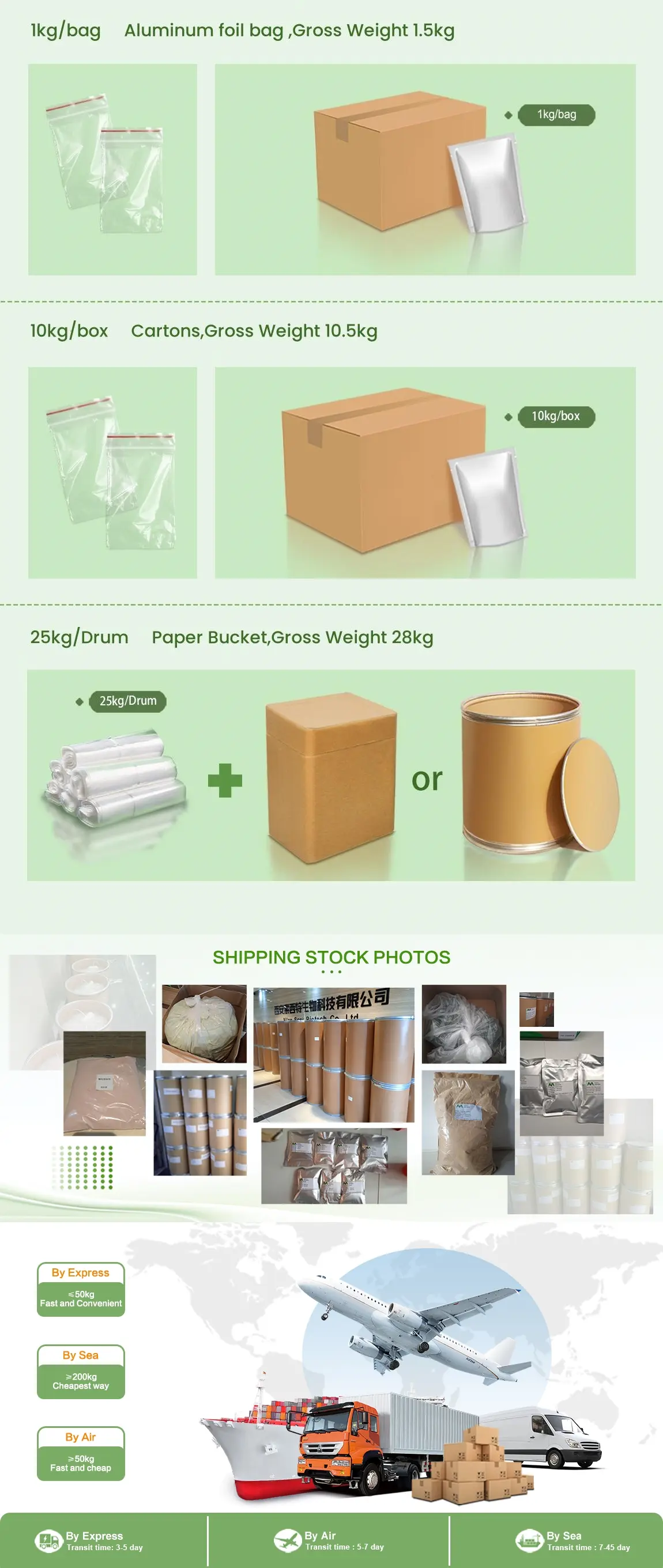
Packing & Shipping
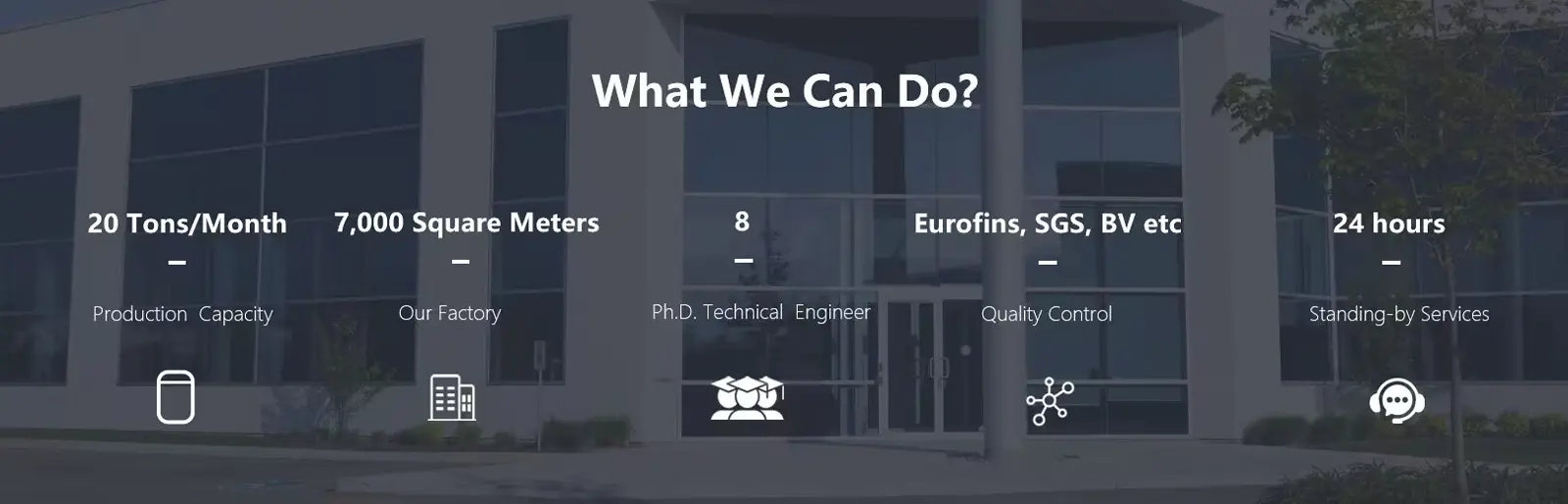
What We Can Do?
Product Data Sheets
| Analysis | Description | Test Method |
| Appearance | Dark Purple Fine Powder | Visual |
| Odor | Characteristic | Nasil |
| Identification | Conform with reference sample | HPLC |
| Mesh Size | 100% pass 80 mesh | CP2020 |
| Moisture Content | ≤5.0% | GB5009.3 |
| Ash Content | ≤ 5.0% | GB5009.4 |
| Heavy Metals | ≤ 10 ppm | CP2020 |
| Arsenic (As) | ≤ 2.0 ppm | BS EN ISO17294-2 2016 2016 |
| Lead (Pb) | ≤ 3.0 ppm | BS EN ISO17294-2 2016 |
| Cadmium (Cd) | ≤ 1.0 ppm | BS EN ISO17294-2 2016 |
| Mercury (Hg) | ≤ 0.1ppm | BS EN ISO17294-2 2016 |
| Total Plate Count | ≤ 1,000 cfu/g | ISO 4833- 1:2013 |
| Yeast and Mold | ≤ 100 cfu/g | ISO 21527-2:2008 |
| Escherichia Coli | Absent | ISO 16649-2:2001 |
| Salmonella/25g | Absent | ISO 6579-1:2017 |
| Assay(Anthocyanidins) | ≥ 25% | UV |