Top Quality Kojic Acid Powder 99% for Global Buyers?
Kojic Acid Powder 99% is gaining global attention for its exceptional quality and effectiveness. This compound is widely recognized in the beauty and skincare industries. With its remarkable ability to brighten skin and reduce pigmentation, it has become a coveted ingredient in many formulations.
Quality, however, varies significantly among suppliers. Buyers must conduct thorough research when selecting Kojic Acid Powder 99%. Not all products meet the high standards required for cosmetic use. It's essential to prioritize suppliers with a proven track record of delivering pure and potent ingredients. Transparency about sourcing and manufacturing processes is crucial.
It is important to acknowledge the complexity of skin chemistry. Not every individual will experience the same benefits from Kojic Acid Powder 99%. This variability may prompt buyers to reflect on their specific needs and seek products tailored to their skin types. Understanding this nuance can lead to better outcomes and a more personalized skincare regimen.
Understanding Kojic Acid: Properties and Benefits
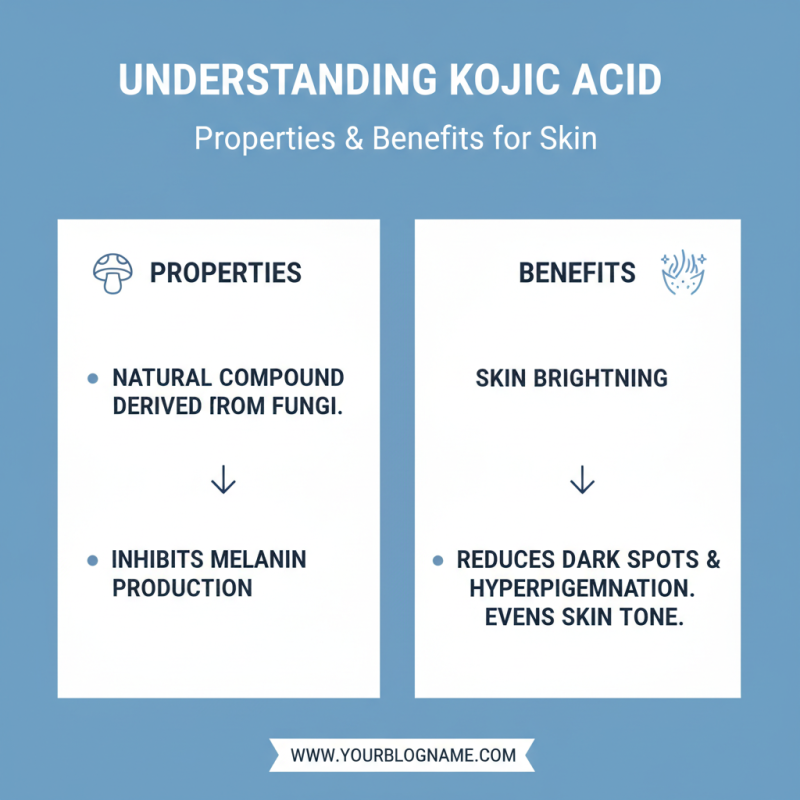
Kojic acid is a natural compound derived from fungi. It is primarily known for its skin-lightening properties. This compound works by inhibiting melanin production in the skin, making it effective against hyperpigmentation. Many users appreciate its ability to diminish dark spots and even skin tone.
In addition to its cosmetic benefits, kojic acid offers antioxidant properties. These can help protect the skin from damage caused by free radicals. However, some people might experience irritation. It's important to conduct patch tests before widespread use. Understanding your skin type can guide your usage. Unforeseen reactions can happen, so proceed with caution.
The scientific community recognizes the potential of kojic acid. Research continues to explore its various applications. Yet, not all results are definitive. Individuals should rely on their experiences and consult professionals for advice. Balancing optimism with realistic expectations is essential when incorporating kojic acid into skincare routines.
The Role of Kojic Acid in Skin Care Products
Kojic acid is an important ingredient in the skin care industry. It is primarily known for its skin-lightening properties. Studies indicate that kojic acid can reduce melanin production, helping to treat hyperpigmentation and uneven skin tone. A report from the Journal of Cosmetic Dermatology stated that topical application of kojic acid can result in significant lightening effects among participants.
For those looking to maximize the benefits of kojic acid in their routine, here are a few tips. First, ensure you use products containing at least 1% kojic acid for noticeable results. Combining kojic acid with sunscreen will enhance its effectiveness, as it helps protect the skin from UV damage. Additionally, considering the pH of the product is important. A lower pH can increase the efficacy of kojic acid.
However, not everyone may achieve desired results. Some may experience irritation or sensitivity. It's wise to conduct a patch test before widespread use. Moreover, continuous use may be necessary to see improvements, sometimes requiring patience and consistency. Understanding your skin's response is crucial for effective results.
Quality Standards for Kojic Acid Powder: What to Look For
When sourcing kojic acid powder, knowing the quality standards is crucial. Buyers should prioritize purity levels, with 99% being the benchmark for high-quality products. Lower purity might mean ineffective results, which can be disappointing. Seeking third-party lab tests is a wise choice to ensure quality.
Tips: Always request certificates of analysis (CoA) from suppliers. This document confirms the purity and safety of the product. Transparency in testing reflects a reputable supplier.
Another vital aspect is sourcing location. Kojic acid is derived from natural sources. Whether it’s from mushrooms or certain fermentation processes, the origin can impact quality. Quality can vary based on the extraction and purification methods used.
Tips: Investigate the supplier's manufacturing processes. Understanding how they produce kojic acid can reveal potential quality issues. Products that lack transparency may not meet desired standards.
Top Quality Kojic Acid Powder 99% for Global Buyers?
| Quality Parameter |
Description |
Standard Value |
Testing Method |
| Purity |
The percentage of Kojic Acid present in the powder |
99% |
HPLC |
| Color |
Visual assessment for consistency and quality |
White to off-white |
Visual Inspection |
| Moisture Content |
Amount of water contained in the sample |
≤ 0.5% |
Loss on Drying |
| pH Level |
Acidity measure of the product |
4.5 - 7.0 |
pH Meter |
| Heavy Metals |
Presence of harmful heavy metals in the powder |
< 10 ppm |
ICP-MS |
Global Market Trends for Kojic Acid Powder Suppliers
The global market for kojic acid powder is evolving rapidly. Demand has surged due to its skin-lightening properties and effectiveness in treating hyperpigmentation. Suppliers are navigating complex regulations to meet international standards. This often creates uncertainty and requires strong commitments to quality control.
Kojic acid powder has become popular in cosmetics and skincare formulations. Manufacturers are investing in research to enhance product stability and effectiveness. Buyers are cautious, seeking transparent sourcing practices. This focus on quality and ethical sourcing reflects a broader trend in consumer preferences. However, quality variation among suppliers remains a challenge.
In this competitive landscape, suppliers must foster trust. Building relationships with buyers is essential. Regular communication and feedback can drive improvements. This collaboration can lead to better products that meet market needs. While the potential for growth is significant, vigilance in product quality is crucial for long-term success.
Safety and Regulations Surrounding Kojic Acid Usage
When it comes to using kojic acid, safety and regulations are key. This naturally occurring substance is widely recognized for its skin-brightening properties. However, users should be aware of the regulations governing its use in different regions. In some jurisdictions, kojic acid is permissible only in specific concentrations. Always check local guidelines to ensure compliant usage.
Tips: Always perform a patch test before applying kojic acid products to your skin. This helps to identify any sensitivities.
Despite its benefits, kojic acid may cause irritation for some users. Redness, itching, or dryness can occur, especially in those with sensitive skin. Consulting a dermatologist for personalized advice is wise. They can recommend safe concentrations suitable for individual skin types.
Tips: Use sunscreens during the day while using kojic acid. It can increase sensitivity to sunlight.
Ultimately, staying informed about the safety and regulations surrounding kojic acid enhances user safety. Balancing efficacy and safety is crucial. This ensures that you can enjoy the benefits without unnecessary risks. Regularly reviewing the latest research and recommendations is advisable.

 Food Additives