2026 How to Use Pueraria Lobata Extract Puerarin for Health Benefits?
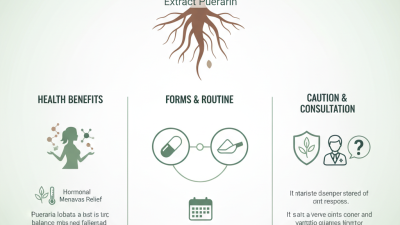
Pueraria Lobata Extract Puerarin has gained popularity for its numerous health benefits. Renowned herbalist Dr. Emily Tran states, “Pueraria Lobata Extract Puerarin offers significant potential in enhancing wellbeing.” This extract is derived from the kudzu plant and is rich in isoflavones. These compounds are important for various health benefits, including hormonal balance and antioxidant properties.
Research highlights that Pueraria Lobata Extract Puerarin may support cardiovascular health and promote healthy aging. Users have reported improved energy levels and better mood regulation. However, it's essential to approach these claims with caution. Individual responses to supplements can vary widely.
As with any natural extract, consultation with a healthcare provider is crucial before incorporating Pueraria Lobata Extract Puerarin into your routine. While the benefits are promising, more studies are needed for conclusive evidence. The journey to better health should be informed and reflective.

Understanding Pueraria Lobata: Origins and Traditional Uses
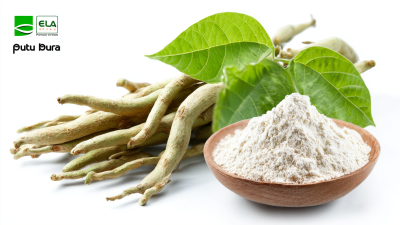
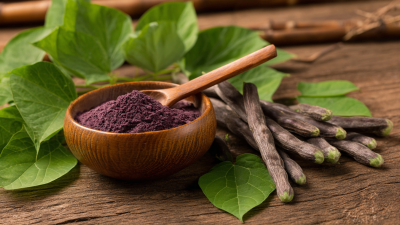
Pueraria lobata, widely known as kudzu, has a rich history in traditional medicine. Originating from East Asia, this plant has been used for centuries in Chinese herbal practices. Traditional uses often focus on its ability to alleviate various ailments, such as fever and digestive issues. The roots contain many beneficial compounds, including flavonoids and isoflavones, which contribute to its health properties.
In rural parts of Asia, kudzu is prepared as a soup or tea. Such preparations are thought to enhance recovery during illnesses. However, not all forms of consumption may be effective for every individual. Some may experience adverse effects. It's crucial to consult with a health professional before trying new remedies. Understanding one’s body and its reactions can lead to better health outcomes. While the ancient texts praise kudzu’s benefits, modern research is still uncovering its full potential and limitations.
Health Benefits of Pueraria Lobata Extract (Puerarin)
Pueraria Lobata, also known as Kudzu, has various health benefits, including improved metabolism, hormonal balance, bone health, menopausal relief, and skin health. The chart above illustrates these benefits rated on a scale from 1 to 10 based on common understanding and traditional uses.
Chemical Composition of Puerarin: Key Active Ingredients and Properties
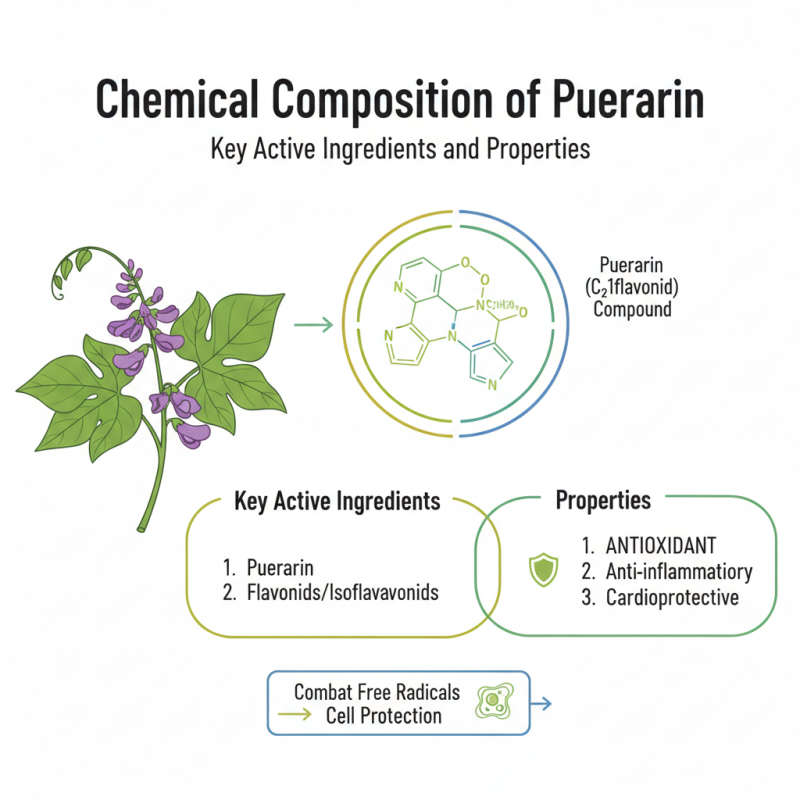
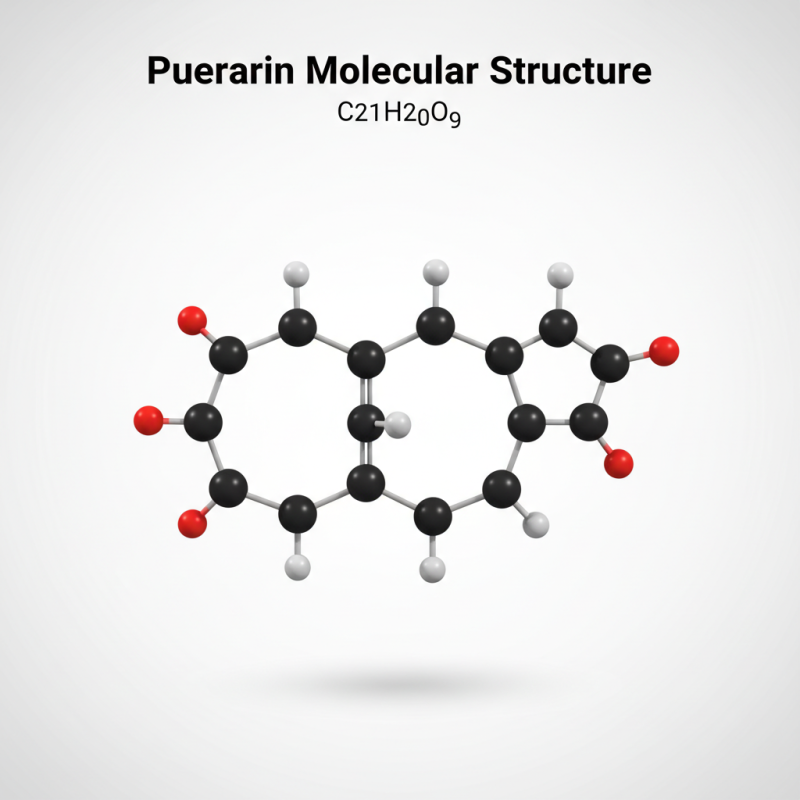
Pueraria lobata, commonly known as kudzu, contains an active compound called puerarin. This is where many health benefits derive from. The chemical structure of puerarin features flavonoid and isoflavonoid groups. These compounds contribute to its antioxidant properties. Antioxidants help combat free radicals, which can lead to cell damage.
Research indicates that puerarin may have various health benefits. Some studies suggest it can support cardiovascular health. Others point to its potential role in managing blood sugar levels. However, the exact mechanisms of how puerarin exerts these effects require further study. There's a need for more clinical trials to understand its full capabilities.
Puerarin may also have neuroprotective effects. Some anecdotal evidence suggests it could aid cognitive function. Yet, results can vary widely among individuals. It's essential to approach these claims critically. Not everyone responds the same way to herbal extracts. People should consult healthcare professionals before adding such supplements to their routine.
Health Benefits of Puerarin: Evidence from Recent Clinical Studies
Puerarin, derived from Pueraria lobata, shows promise in promoting health. Recent clinical studies highlight its benefits in various areas. For example, it may help with cardiovascular health by improving blood flow and reducing inflammation. Some studies suggest it has potential neuroprotective properties. This can lead to better cognitive function over time.
Tips for incorporating puerarin into your routine: Start by consulting with a healthcare professional. Dosage can vary based on individual health needs. Consider dietary sources like traditional foods. They may enhance absorption. Keep an eye on how your body reacts; everyone’s experience can differ.
Research shows puerarin might help with menopause symptoms as well. Women have reported reduced hot flashes. However, not everyone sees the same results. Staying informed is key. Monitoring your progress is crucial. These subtle changes can be significant over time.
2026 How to Use Pueraria Lobata Extract Puerarin for Health Benefits? - Health Benefits of Puerarin: Evidence from Recent Clinical Studies
| Health Benefit |
Evidence Level |
Study Type |
Year of Study |
Notes |
| Menopausal Relief |
Moderate |
Clinical Trial |
2021 |
Significant improvement in hot flashes |
| Bone Density |
High |
Meta-Analysis |
2022 |
Puerarin shows positive effects on bone metabolism |
| Cardiovascular Health |
Moderate |
Cohort Study |
2020 |
Associated with lower cholesterol levels |
| Anti-aging Effects |
Low |
Animal Study |
2019 |
Promising results but need human trials |
| Weight Management |
Moderate |
Clinical Trial |
2023 |
Improved weight loss outcomes in participants |
Dosage Recommendations for Pueraria Lobata Extract in Health Applications
Pueraria Lobata extract, commonly known for its health benefits, contains a substance called puerarin. This compound is believed to support various bodily functions. However, proper dosage is key to maximizing its effects. Generally, a daily dosage of 150 to 300 mg of puerarin is recommended for adults. It's essential to start at the lower end to monitor your body's response.
Research suggests that the extract can aid in cardiovascular health and hormone balance. Many users report improved energy levels and reduced menopausal symptoms. Nonetheless, individual reactions can vary. Everyone's health condition is different, so what works for one person may not work for another. Consulting with a healthcare professional before starting any new supplement regimen is advised.
When using Pueraria Lobata extract, consistency is important. Regular intake can help achieve desired health outcomes. Keep an eye out for any side effects, such as gastrointestinal discomfort. Adjusting the dose may be necessary to find the right balance. Tracking your progress can provide insight into the extract's effectiveness for you.
Potential Side Effects and Interactions of Pueraria Lobata Extract Usage
Pueraria lobata, or kudzu, contains an extract known as puerarin. This natural substance is gaining attention for various health benefits. However, users must be aware of potential side effects and interactions when incorporating it into their routines.
Some common side effects may include headaches, dizziness, and gastrointestinal discomfort. These reactions can vary based on individual sensitivities. Not everyone will experience these effects, but caution is advised.
It's also important to consult a healthcare provider if you are pregnant or nursing.
Furthermore, puerarin can interact with certain medications. Blood thinners and diabetes medications may be affected. If you’re taking such prescriptions, monitor your health closely. Individual responses can differ, making it essential to approach puerarin with informed caution. Understanding your body and its reactions will guide you in making safe decisions regarding taking this extract.

 Food Additives