Top 10 Benefits of Grape Skin Extract Resveratrol You Need to Know?
The impacts of Grape Skin Extract Resveratrol extend beyond mere aesthetics. Research indicates that this powerful antioxidant plays a crucial role in supporting cardiovascular health. According to a report by the Journal of Nutritional Biochemistry, resveratrol may enhance endothelial function, helping to reduce the risk of heart disease.
Additionally, studies have shown that Grape Skin Extract Resveratrol possesses anti-inflammatory properties. The Journal of Clinical Investigation highlights its potential to combat chronic inflammation, which is linked to numerous health conditions. However, the effectiveness of resveratrol can vary based on dosage and individual metabolism.
As awareness of Grape Skin Extract Resveratrol grows, it's essential to critically evaluate its benefits. While many hail it as a miracle supplement, not all claims are backed by solid evidence. Users must approach supplementation with both optimism and skepticism, considering that results may differ among individuals.

Origins and Composition of Grape Skin Extract and Resveratrol
Grape skin extract is rich in
resveratrol, a polyphenolic compound found in various plant species.
Grape skins contain numerous antioxidants.
These compounds help protect our bodies from oxidative stress. Their dark color signifies the presence of beneficial
flavonoids. Many people overlook the significance of these natural sources.
Resveratrol is primarily sourced from red and purple grapes.
It is also found in berries and peanuts. The process of making wine enhances the concentration of this compound.
During fermentation, grape skins release resveratrol into the wine, making it a focus of research.
Researchers are intrigued by the potential health benefits associated
with this extract. Still, not all studies have produced consistent results.
While grape skin extract shows promise, not everything is confirmed. Some studies highlight its
anti-inflammatory effects. Others question its bioavailability in the human body.
The reality is complex, and the extraction process can affect quality. It’s important to note that not every supplement
on the market delivers the same results. Each product can vary significantly in composition
and efficacy.
Key Health Benefits of Resveratrol for Heart Health
Resveratrol, found in grape skins, offers numerous heart health benefits. This powerful antioxidant may help reduce inflammation in the body. Inflammation is often a silent factor in heart disease. Resveratrol's ability to fight oxidative stress is notable. It may improve cholesterol levels and promote healthy blood flow.
Regular consumption of resveratrol can lead to a significant decrease in blood pressure. This is vital for maintaining cardiovascular health. Some studies suggest that resveratrol might help protect against heart attacks. It does this by enhancing the function of blood vessels and reducing clot formation.
Tips: Incorporating grape skin extract into your diet is simple. Consider adding it as a supplement or in smoothie recipes. Always consult a healthcare professional before starting any new regimen. Experiment with different forms to see what works best for you. While resveratrol is promising, it’s essential not to rely solely on it for heart health. A balanced diet and regular exercise remain crucial.
Impact of Resveratrol on Aging and Longevity
Resveratrol, found in grape skins, has gained attention for its potential impact on aging and longevity.
Studies suggest that resveratrol may activate certain genes associated with life extension.
This compound mimics the effects of calorie restriction, which is known to delay the aging process in various organisms.
There’s evidence suggesting that resveratrol improves cardiovascular health.
It enhances blood flow and reduces inflammation. These benefits might also translate into better longevity.
Older adults could particularly benefit from increased circulation, leading to improved vitality.
Tip: Incorporating resveratrol-rich foods may support your health journey.
Consider adding red grapes or red wine to your diet in moderation.
Moreover, resveratrol shows promise in protecting brain health.
Some research indicates it may reduce the risk of neurodegenerative diseases.
While results are promising, further studies are crucial to fully understand the implications.
Tip: Explore grape skin extracts if you seek supplements, but consult a healthcare professional first.
Understanding your health needs is key.
Resveratrol's effects are multifaceted, but the science is still evolving.
It's essential to remain cautious and informed about new findings in this area.
Antioxidant Properties of Grape Skin Extract and Their Importance
Grape skin extract, especially resveratrol, is renowned for its powerful antioxidant properties. These compounds are essential in combating oxidative stress in our bodies. When oxidative stress occurs, it can lead to cell damage and various health issues. This makes antioxidants vital for maintaining overall health.
Tips: Incorporate grape skin extract into your diet. Simple ways to do this include adding red wine or whole grapes to your meals. Both are rich in resveratrol.
Researchers have found that resveratrol helps protect blood vessels and improves heart health. It may also have anti-inflammatory effects, which are crucial for preventing chronic diseases. However, the exact dosage for optimal benefits is still being studied. Understanding how your body responds to these antioxidants is important.
Tips: Monitor how you feel after consuming grape skin extract. Pay attention to any changes in energy levels or overall well-being. Adjust your intake based on these observations.
Top 10 Benefits of Grape Skin Extract Resveratrol You Need to Know
| Benefit |
Description |
Scientific Evidence |
| Antioxidant Properties |
Resveratrol is known for its powerful antioxidant effects, helping to neutralize free radicals in the body. |
Studies show that resveratrol significantly reduces oxidative stress in cells. |
| Heart Health |
Supports cardiovascular health by improving blood flow and reducing inflammation. |
Research indicates a reduction in heart disease risk factors. |
| Anti-Inflammatory |
May help reduce inflammation in the body, alleviating symptoms of chronic diseases. |
Clinical trials demonstrate decreased inflammatory markers after supplementation. |
| Anti-Aging Effects |
Protects against cellular damage, which may slow down the aging process. |
Animal studies suggest longevity benefits from resveratrol consumption. |
| Blood Sugar Control |
May help regulate blood sugar levels and improve insulin sensitivity. |
Several studies link resveratrol to lower blood glucose levels in diabetic models. |
| Neuroprotective Benefits |
Potentially protects brain cells from damage and degeneration. |
Research shows resveratrol may aid in preventing neurodegeneration. |
| Weight Management |
May assist in weight loss and maintenance by affecting fat storage. |
Studies indicate resveratrol influences fat metabolism positively. |
| Cancer Prevention |
Shows promise in reducing the risk of certain cancers through its antioxidant effects. |
Emerging studies highlight resveratrol’s role in inhibiting cancer cell growth. |
| Improved Skin Health |
May benefit skin by reducing UV damage and enhancing skin elasticity. |
Research suggests topical applications can improve skin health. |
| Boosts Immune System |
Can help strengthen the immune response through its protective effects. |
Studies show enhanced immune activity with resveratrol supplementation. |
Potential Anti-Inflammatory Effects of Resveratrol on the Body
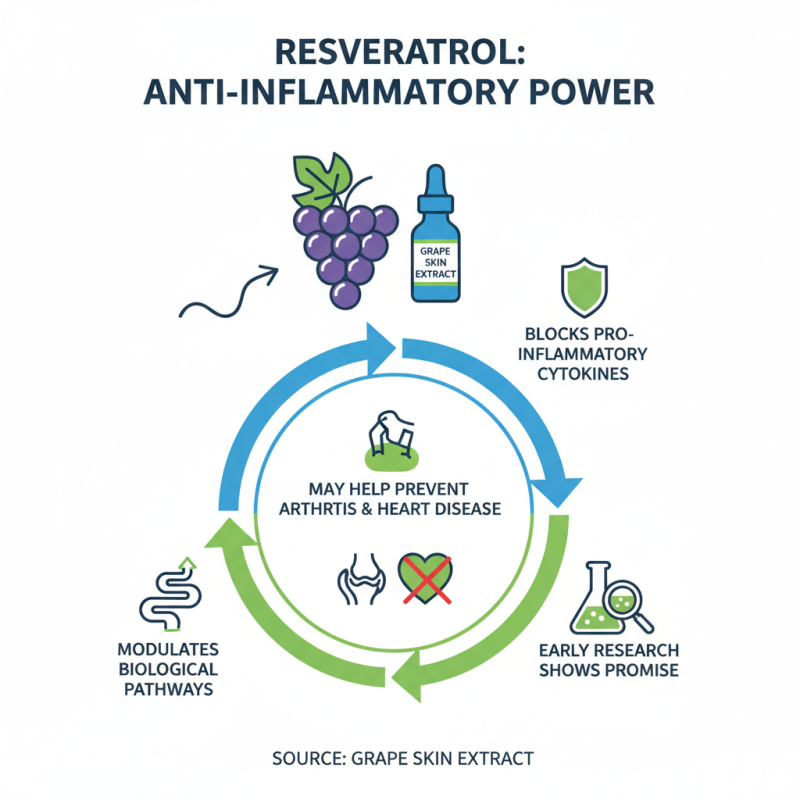
Resveratrol, found in grape skin extract, shows promise for its anti-inflammatory effects. This compound interacts with various biological pathways that regulate inflammation. Research indicates that resveratrol may inhibit the production of pro-inflammatory cytokines. These may contribute to chronic diseases like arthritis and heart disease. Scientists are still exploring the extent of its effects, but early results are promising.
By reducing inflammation, resveratrol could potentially support overall health. Individuals suffering from inflammatory conditions may benefit the most. However, the exact dosage and long-term effects remain unclear. Some people might experience discomfort or ineffective results with resveratrol supplementation. It’s vital to consult healthcare professionals before starting any new regimen.
Incorporating resveratrol-rich foods could offer additional health benefits. Grapes, berries, and red wine are excellent sources to consider. Remember that dietary changes should complement a balanced lifestyle. People interested in natural remedies should always proceed with caution and conduct thorough research.

 Food Additives