

Active Pharmaceutical Ingredients
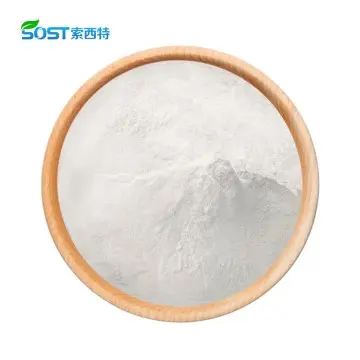


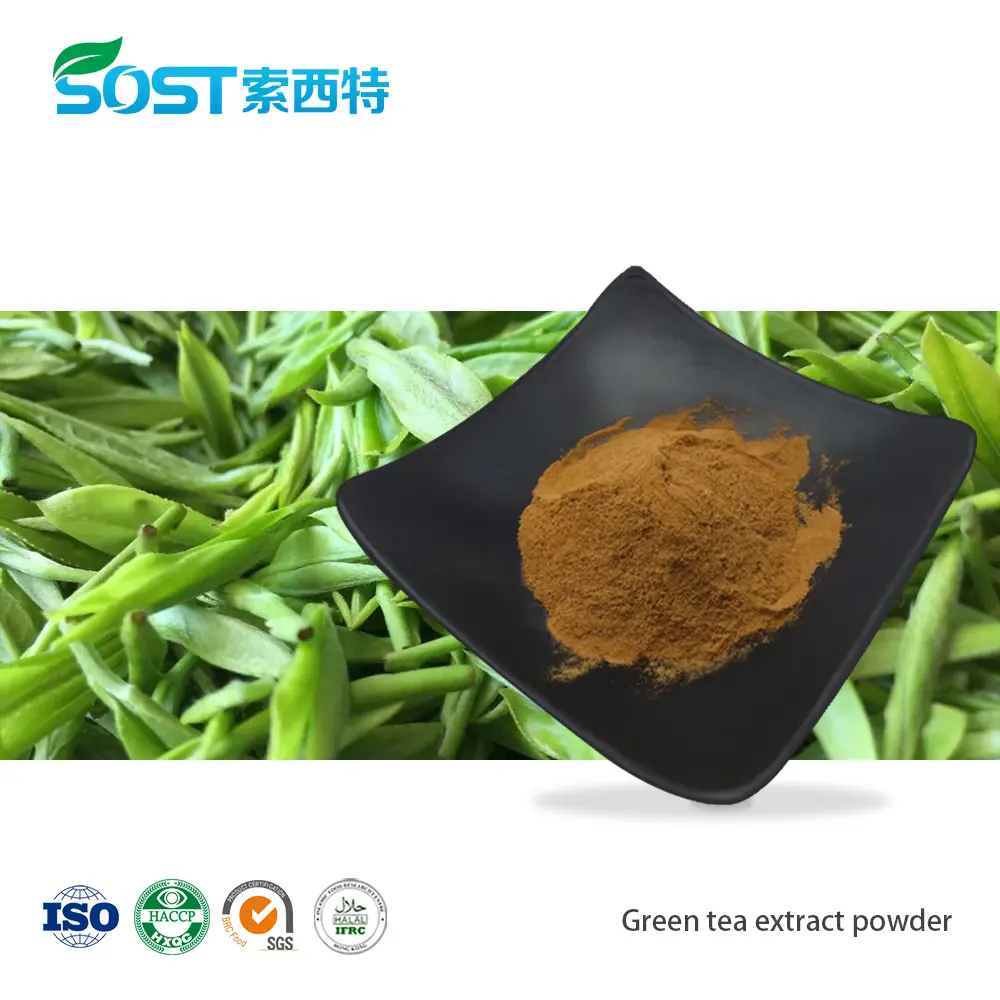
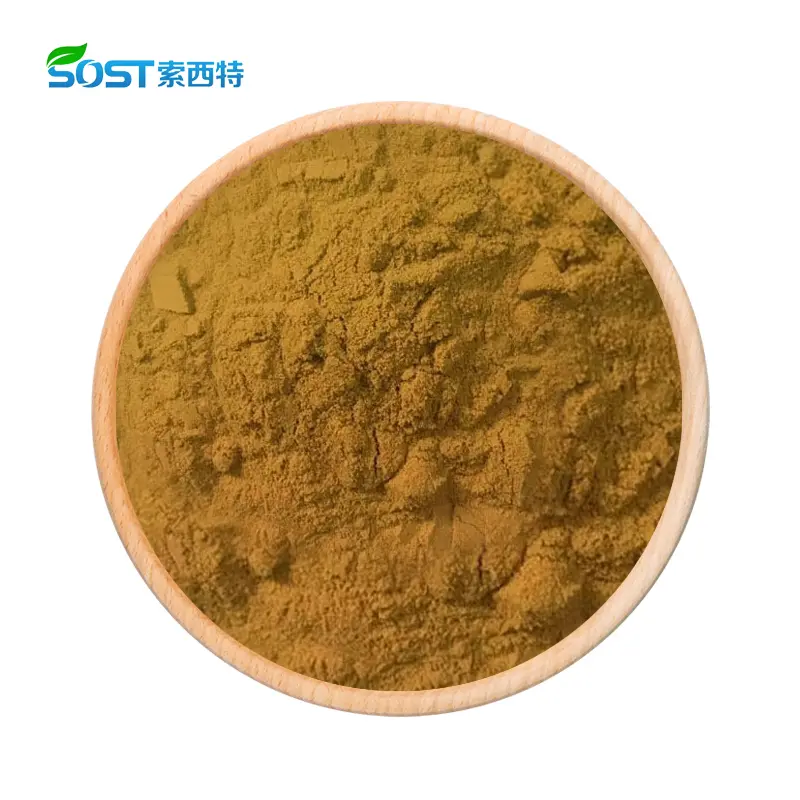
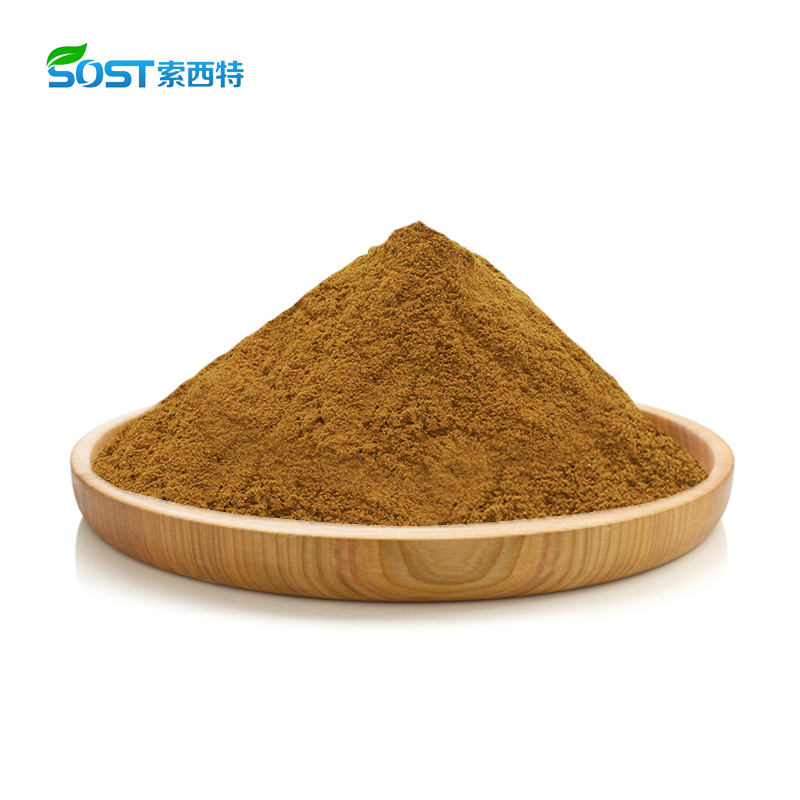






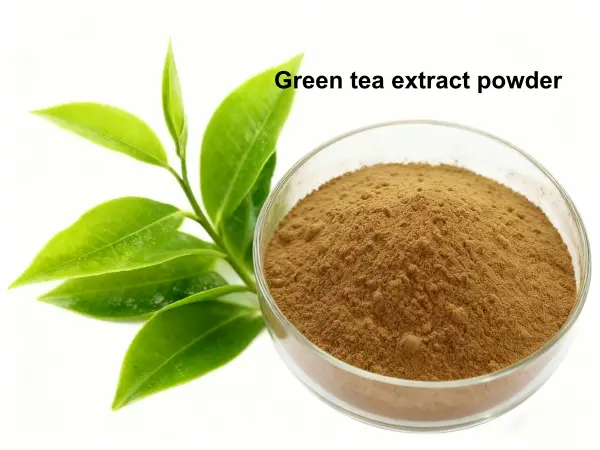
what is Green tea extract powder?
Green tea extract powder, simply put, is the essence "concentrated" from green tea. It's like compressing the "healthy energy" of an entire tea garden into a small powder. Its main ingredients include tea polyphenols (approximately 30% of the dry matter, of which catechins make up 60%-80%), caffeine, amino acids, and vitamins. Tea polyphenols are its core weapon, providing antioxidant, lipid-lowering, and anti-inflammatory benefits. Caffeine, on the other hand, is responsible for mental alertness, but excessive consumption can also cause rapid heartbeats and insomnia.
Specification
| EGCG Content | Catechins Content |
|---|---|
| 50% | 10% - 20% |
| 98% | 45% - 50% |
| 98% | 50% - 55% |
What are the benefits of green tea powder?
Antioxidants. Green tea powder catechins in tea polyphenols (such as EGCG) are free radical killers, helping to combat aging, reduce wrinkles, and protect blood vessels from oxidative damage, reducing the risk of cardiovascular and cerebrovascular disease. For example, studies have shown that people who drink green tea extract daily have higher activity of the antioxidant enzyme SOD and lower levels of lipid peroxidation products (MDA) in their blood, effectively giving their blood vessels a layer of bulletproof vest.
Its strengths include lowering blood lipids and controlling blood sugar. Tea polyphenols inhibit intestinal cholesterol absorption and promote fat breakdown, making them particularly beneficial for people with high blood lipids and obesity. For example, feeding diabetic rats green tea extract significantly reduced their blood sugar levels and improved their insulin sensitivity. Even better, it can also "lock" blood sugar fluctuations, preventing post-meal blood sugar spikes, making it a valuable aid for diabetics.
Not to mention its refreshing properties: caffeine stimulates the central nervous system, giving you a morning boost and doubling your work and study efficiency. However, there's a hidden pitfall: it contains three times more caffeine than regular green tea, and drinking too much can lead to "overexcitement," such as a rapid heartbeat, hand tremors, and even insomnia.
Tea polyphenols also offer a hidden advantage in dental health. They inhibit oral bacteria (such as Streptococcus), reducing plaque and cavities. Fluoride also strengthens tooth enamel and prevents caries. Consequently, many toothpastes and mouthwashes use it, leaving your mouth feeling refreshed and your breath better.
Its strengths include lowering blood lipids and controlling blood sugar. Tea polyphenols inhibit intestinal cholesterol absorption and promote fat breakdown, making them particularly beneficial for people with high blood lipids and obesity. For example, feeding diabetic rats green tea extract significantly reduced their blood sugar levels and improved their insulin sensitivity. Even better, it can also "lock" blood sugar fluctuations, preventing post-meal blood sugar spikes, making it a valuable aid for diabetics.
Not to mention its refreshing properties: caffeine stimulates the central nervous system, giving you a morning boost and doubling your work and study efficiency. However, there's a hidden pitfall: it contains three times more caffeine than regular green tea, and drinking too much can lead to "overexcitement," such as a rapid heartbeat, hand tremors, and even insomnia.
Tea polyphenols also offer a hidden advantage in dental health. They inhibit oral bacteria (such as Streptococcus), reducing plaque and cavities. Fluoride also strengthens tooth enamel and prevents caries. Consequently, many toothpastes and mouthwashes use it, leaving your mouth feeling refreshed and your breath better.

Who cannot take green tea extract?
1. People with excessive stomach acid or gastric ulcers: Tea polyphenols can irritate the gastric mucosa, exacerbating symptoms of acid reflux and heartburn. Long-term consumption may induce gastritis or gastric ulcers. For example, some people experience a burning sensation in their stomach after drinking green tea powder, leading to pain and cold sweats. It's best for these people to choose low-tannin Pu'er tea or drink it half an hour after a meal to minimize irritation.
2. People with iron deficiency anemia: Green tea extract powder tannic acid in tea polyphenols combines with iron in food, forming an "iron-tannic acid complex," which significantly reduces iron absorption. For example, people with anemia may experience increasing fatigue after drinking green tea powder because the iron isn't absorbed but rather "locked up." If you need iron supplements, remember to wait at least two hours between drinking green tea powder and green tea powder to avoid conflict.
3. People with insomnia or nervous system problems: Caffeine is a stimulant, and drinking too much can keep you awake all night. For example, some people drink green tea powder in the afternoon and then toss and turn at night, unable to sleep, with a pounding heartbeat. It's recommended that these people avoid drinking green tea after 3 p.m. and instead opt for decaffeinated beverages like chrysanthemum tea or goji berry tea.
4. Pregnant women, breastfeeding women, and children: Excessive consumption by pregnant women may affect fetal development, while drinking by breastfeeding mothers may overstimulate the baby. Children have delicate stomachs, and excessive consumption can easily lead to diarrhea and disrupted sleep. For example, a 17-year-old British girl drank green tea extract for seven days to lose weight. This resulted in severe liver and kidney damage, and she spent over 10 days in the ICU before surviving. It's best for these individuals to drink green tea under a doctor's supervision and avoid indiscriminate use.
2. People with iron deficiency anemia: Green tea extract powder tannic acid in tea polyphenols combines with iron in food, forming an "iron-tannic acid complex," which significantly reduces iron absorption. For example, people with anemia may experience increasing fatigue after drinking green tea powder because the iron isn't absorbed but rather "locked up." If you need iron supplements, remember to wait at least two hours between drinking green tea powder and green tea powder to avoid conflict.
3. People with insomnia or nervous system problems: Caffeine is a stimulant, and drinking too much can keep you awake all night. For example, some people drink green tea powder in the afternoon and then toss and turn at night, unable to sleep, with a pounding heartbeat. It's recommended that these people avoid drinking green tea after 3 p.m. and instead opt for decaffeinated beverages like chrysanthemum tea or goji berry tea.
4. Pregnant women, breastfeeding women, and children: Excessive consumption by pregnant women may affect fetal development, while drinking by breastfeeding mothers may overstimulate the baby. Children have delicate stomachs, and excessive consumption can easily lead to diarrhea and disrupted sleep. For example, a 17-year-old British girl drank green tea extract for seven days to lose weight. This resulted in severe liver and kidney damage, and she spent over 10 days in the ICU before surviving. It's best for these individuals to drink green tea under a doctor's supervision and avoid indiscriminate use.
Where to buy Green tea extract powder?
Buy Green tea extract powder
- Contact SoST Biotech Factory for:
✓ Bulk discounts (MOQ 25kg)
✓ FREE 20g samples with COA
✓ OEM services/Specification Customization
| Product Name | Active Ingredient | Specification |
|---|---|---|
| Green Tea Extract | Tea Polyphenol | 50%-98% |
| Green Tea Extract | L-Theanine | 20%-98% |
| Green Tea Extract | EGCG | 40%-98% |
| Green Tea Extract | Catechin | 40%-98% |
| Green Tea Extract | L-Epicatechin | 90%-98% |
Email:ericyang@xasost.com

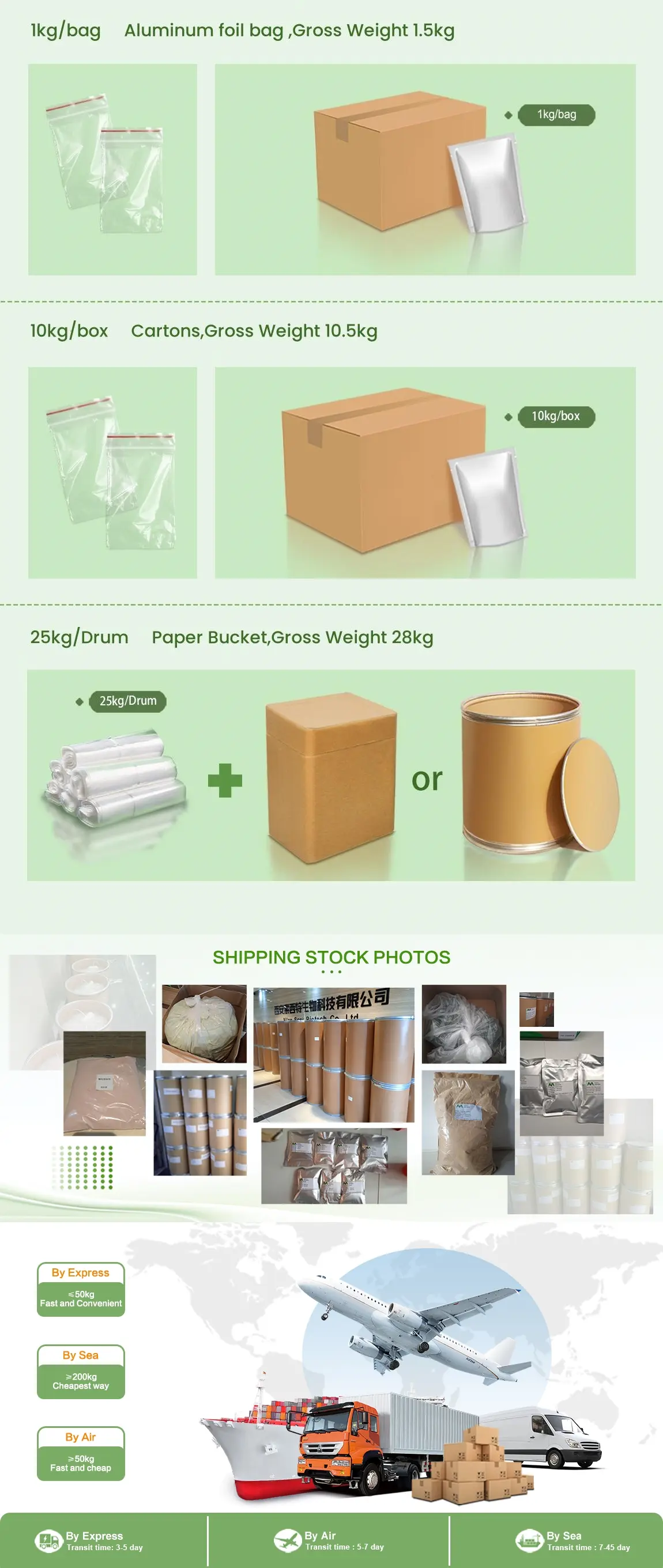
Packing & Shipping
What We Can Do?

Product Data Sheets
| Analysis | Description | Test Method |
| Appearance | Light yellow fine powder | Visual |
| Odor | Characteristic | Organoleptic |
| Identification | Conform with reference sample | Organoleptic |
| Mesh Size | 100% pass 80 mesh | 80mesh screen |
| Moisture Content | ≤ 1.0% | GB5009.3-2016 |
| Heavy Metals | ≤ 10 ppm | GB 5009.3 |
| Arsenic (As) | ≤ 1.5 ppm | GB 5009.4 |
| Lead (Pb) | ≤ 2 ppm | GB 5009.11 |
| Cadmium(Cd) | ≤1ppm | GB 5009.12 |
| Mercury (Hg) | ≤1ppm | GB 5009.17 |
| Total Plate Count | ≤10000 cfu/g | GB 5009.15 |
| Yeast and Mold | ≤100 cfu/g | GB 5009.3 |
| Escherichia Coli | < 10cfu/g | GB 5009.4 |
| Salmonella/25g | Absent | GB 5009.11 |
| Effective constituent | Silybin≥99% | HPLC |