

Active Pharmaceutical Ingredients
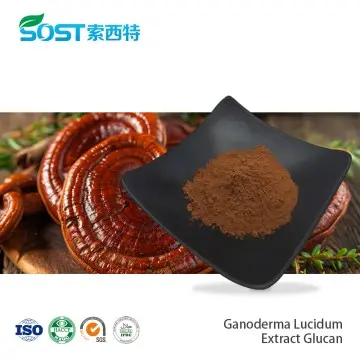
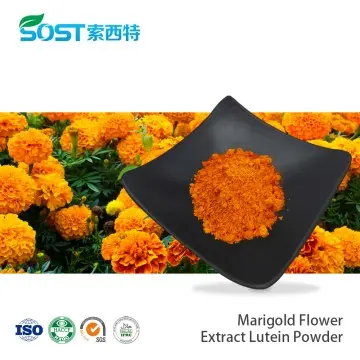
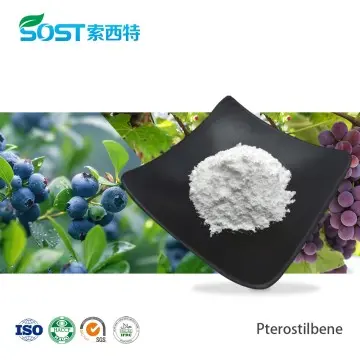
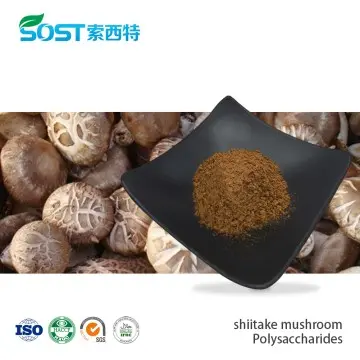
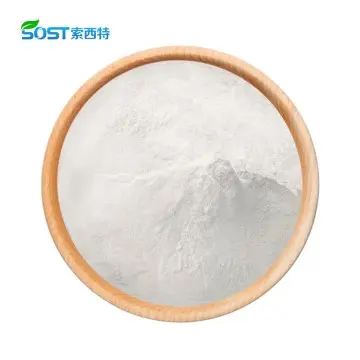


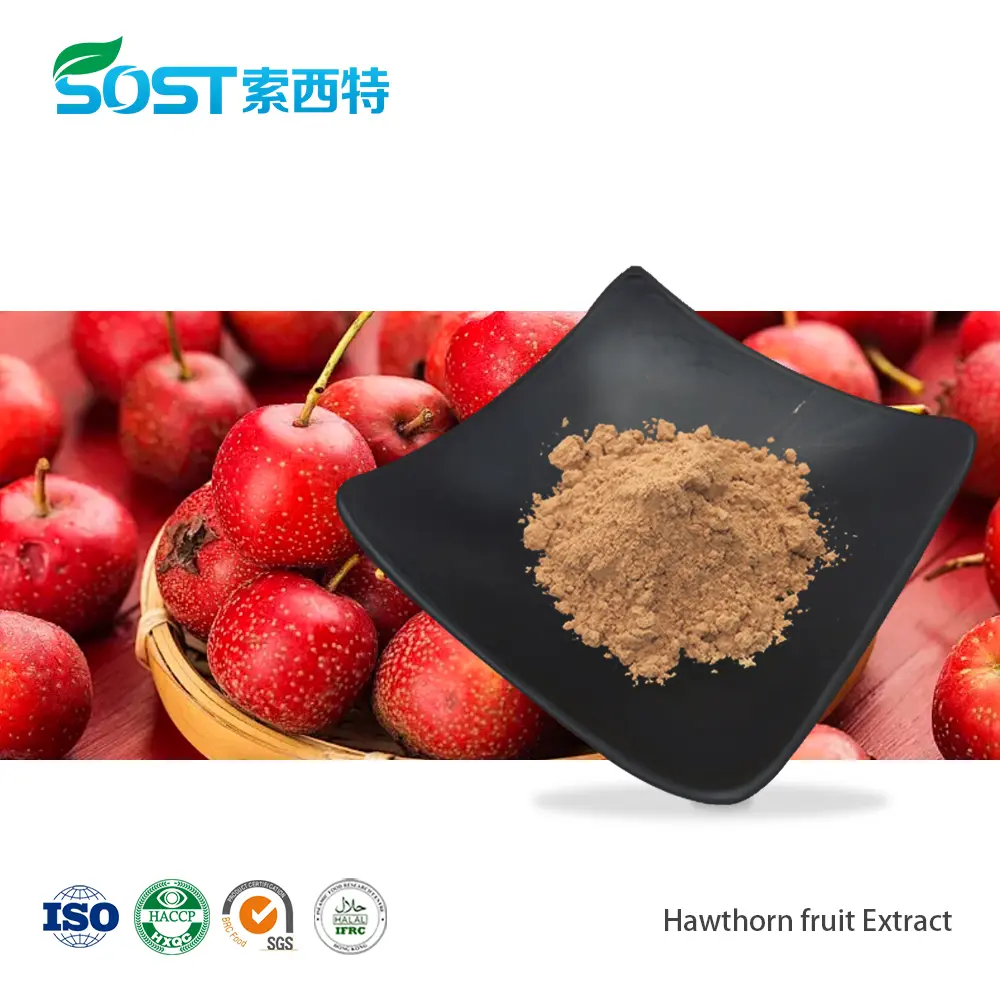
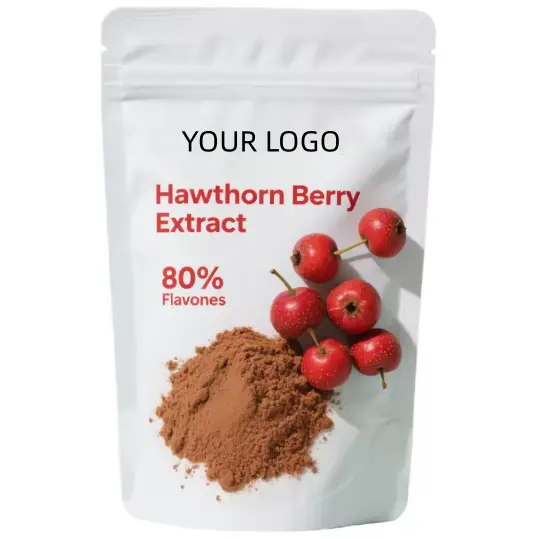
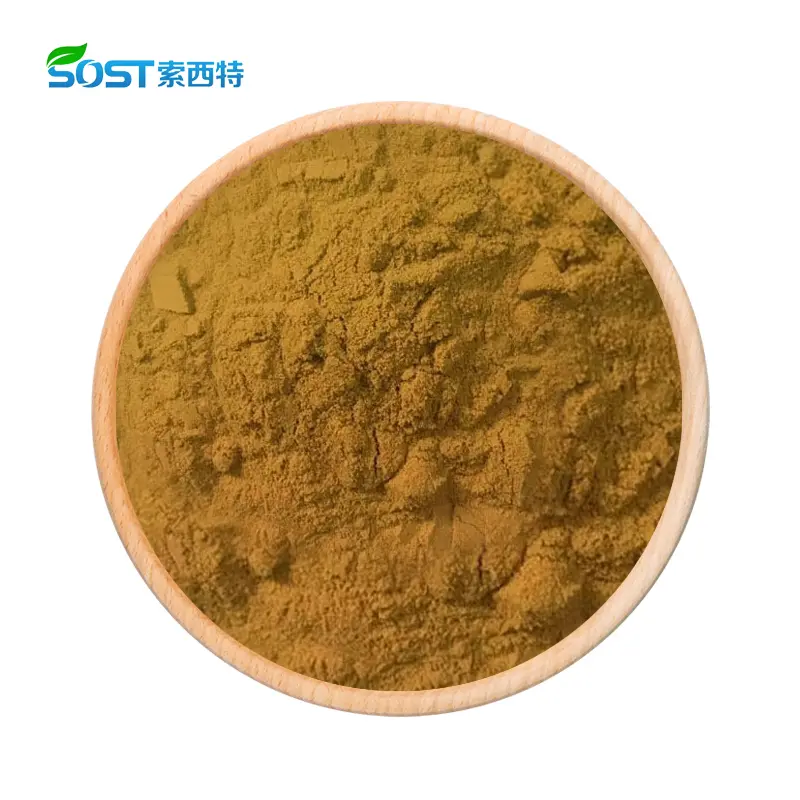
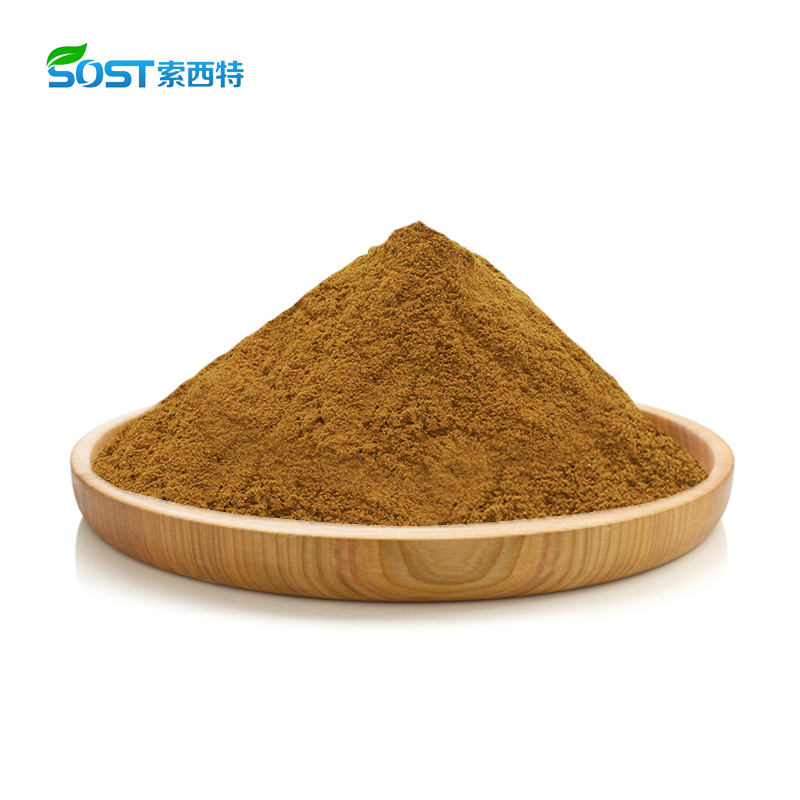







what is Hawthorn fruit Extract?
Hawthorn fruit extract is a brownish-yellow powder-like plant extract made from hawthorn fruits through extraction and other processes.Its main active ingredients include hawthorn polysaccharides, hawthorn flavonoids and total phenols, etc.
COA
| Analysis | Description | Result |
| Appearance | White to off-white fine powder | Visual |
| Odor | Special Sour | Nasil |
| Identification | Conform with reference sample | Conforms |
| Mesh Size | through 80 mesh | Conforms |
| Lost on drying | ≤5.0% Max | 0.0182 |
| Ash Content | <5.00% | 0.0106 |
| Heavy Metals | ≤10.00 | Conforms |
| Arsenic (As) | ≤1.00 | Conforms |
| Lead (Pb) | ≤1.00 | Conforms |
| Total Plate Count | ≤1000cfu/g | Conforms |
| Yeast and Mold | ≤300cfu/g | Conforms |
| Escherichia Coli | Negative | Negative |
| Salmonella/25g | Negative | Negative |
| Assay(Baicalin) | chlorogenic acid≥98% | 0.9837 |
Is hawthorn good for your stomach?
1. Promote digestion and relieve indigestion
The organic acids in hawthorn (such as citric acid and malic acid) can stimulate gastric acid secretion, enhance the activity of pepsin, and help break down proteins and fats.For bloating and indigestion caused by consuming greasy or high-protein foods, hawthorn can accelerate the emptying of food by promoting intestinal peristalsis and alleviate the feeling of fullness.In addition, the lipase in hawthorn can also assist in breaking down fat, making it suitable for post-diet adjustment.
2. Strengthen the spleen and stimulate the appetite, improving appetite
According to traditional Chinese medicine, hawthorn fruit extract is sweet and sour in taste, slightly warm in nature, and enters the spleen and stomach meridians. It has the function of strengthening the spleen and aiding digestion.For people with poor appetite and weak spleen and stomach, moderate consumption of hawthorn can enhance gastric juice secretion and improve digestive function.Especially in summer or when one is weak after illness, hawthorn can help restore gastrointestinal motility, but it is important to avoid eating it on an empty stomach.
3. Regulate the balance of gastric acid
The acidic components in hawthorn are beneficial for people with insufficient gastric acid secretion and can help regulate the internal environment of the stomach.However, if one already has excessive stomach acid, gastric ulcers or reflux esophagitis, excessive consumption may irritate the gastric mucosa and aggravate discomfort.Therefore, the intake should be adjusted according to individual circumstances.
4. Assist in protecting the gastric mucosa
Studies have shown that flavonoids in hawthorn (such as quercetin and hyperoside) have antioxidant and anti-inflammatory effects and may alleviate gastric mucosal damage.However, it should be noted that its effect is relatively mild and cannot replace drug treatment.
The organic acids in hawthorn (such as citric acid and malic acid) can stimulate gastric acid secretion, enhance the activity of pepsin, and help break down proteins and fats.For bloating and indigestion caused by consuming greasy or high-protein foods, hawthorn can accelerate the emptying of food by promoting intestinal peristalsis and alleviate the feeling of fullness.In addition, the lipase in hawthorn can also assist in breaking down fat, making it suitable for post-diet adjustment.
2. Strengthen the spleen and stimulate the appetite, improving appetite
According to traditional Chinese medicine, hawthorn fruit extract is sweet and sour in taste, slightly warm in nature, and enters the spleen and stomach meridians. It has the function of strengthening the spleen and aiding digestion.For people with poor appetite and weak spleen and stomach, moderate consumption of hawthorn can enhance gastric juice secretion and improve digestive function.Especially in summer or when one is weak after illness, hawthorn can help restore gastrointestinal motility, but it is important to avoid eating it on an empty stomach.
3. Regulate the balance of gastric acid
The acidic components in hawthorn are beneficial for people with insufficient gastric acid secretion and can help regulate the internal environment of the stomach.However, if one already has excessive stomach acid, gastric ulcers or reflux esophagitis, excessive consumption may irritate the gastric mucosa and aggravate discomfort.Therefore, the intake should be adjusted according to individual circumstances.
4. Assist in protecting the gastric mucosa
Studies have shown that flavonoids in hawthorn (such as quercetin and hyperoside) have antioxidant and anti-inflammatory effects and may alleviate gastric mucosal damage.However, it should be noted that its effect is relatively mild and cannot replace drug treatment.
What is hawthorn fruit used for?
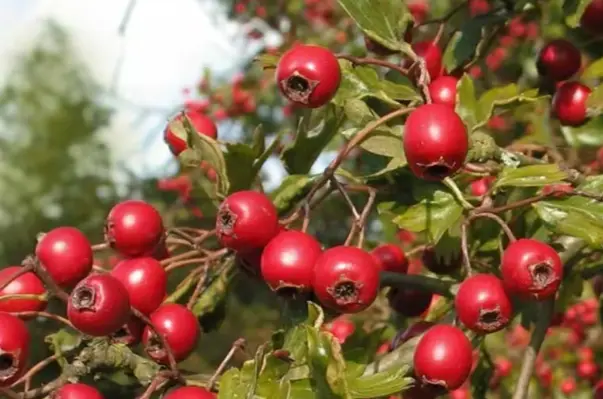
Hawthorn berry is primarily used to support heart health, with traditional and some modern uses suggesting benefits for congestive heart failure, high blood pressure, and high cholesterol. It's also traditionally used for digestive issues, such as indigestion and stomach pain, and can have mild effects for anxiety and sleep. The berries contain antioxidants that may offer additional benefits for overall well-being.
Where to buy Hawthorn fruit Extract?
Buy Hawthorn fruit Extract - Contact SoST Biotech Factory for:
✓ Bulk discounts (MOQ 25kg)
✓ FREE 20g samples with COA
✓ OEM services/Specification Customization
Email:ericyang@xasost.com

Packing & Shipping
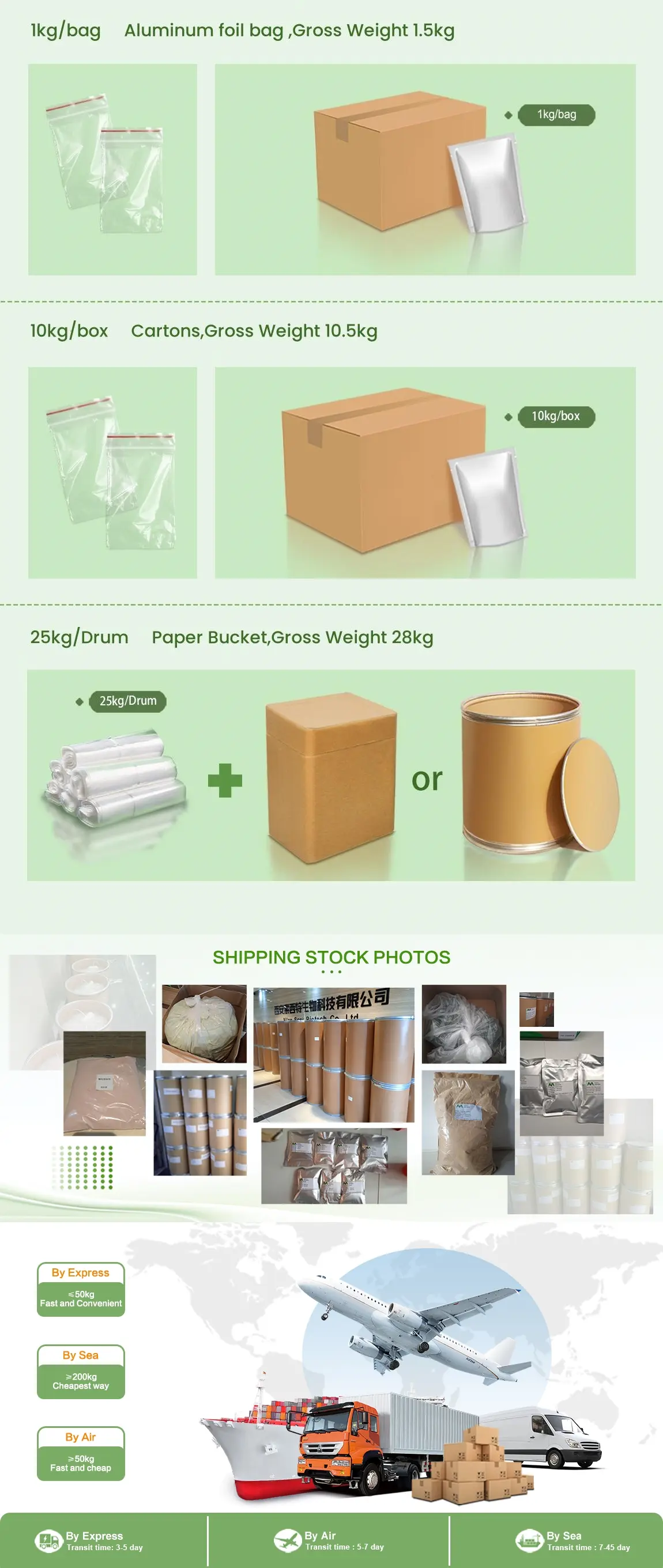
What We Can Do?

Product Data Sheets
| Analysis | Description | Result |
| Appearance | White to off-white fine powder | Visual |
| Odor | Special Sour | Nasil |
| Identification | Conform with reference sample | Conforms |
| Mesh Size | through 80 mesh | Conforms |
| Lost on drying | ≤5.0% Max | 0.0182 |
| Ash Content | <5.00% | 0.0106 |
| Heavy Metals | ≤10.00 | Conforms |
| Arsenic (As) | ≤1.00 | Conforms |
| Lead (Pb) | ≤1.00 | Conforms |
| Total Plate Count | ≤1000cfu/g | Conforms |
| Yeast and Mold | ≤300cfu/g | Conforms |
| Escherichia Coli | Negative | Negative |
| Salmonella/25g | Negative | Negative |
| Assay(Baicalin) | chlorogenic acid≥98% | 0.9837 |