

Active Pharmaceutical Ingredients
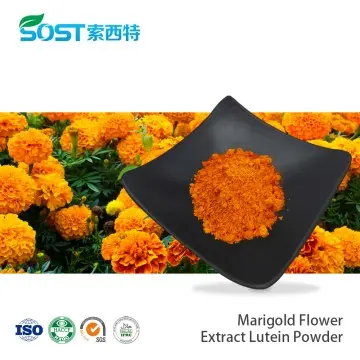

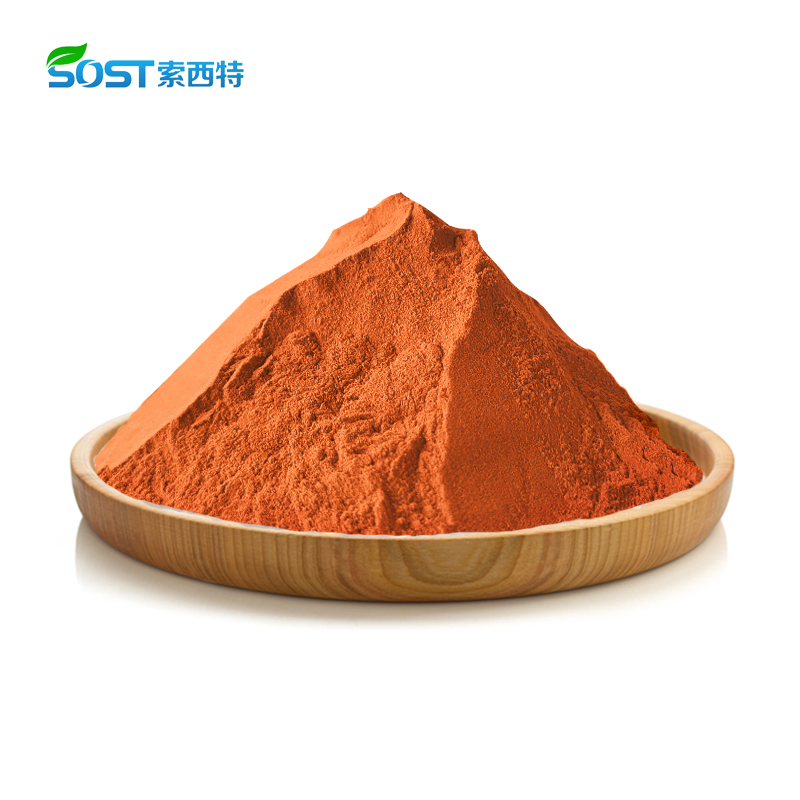
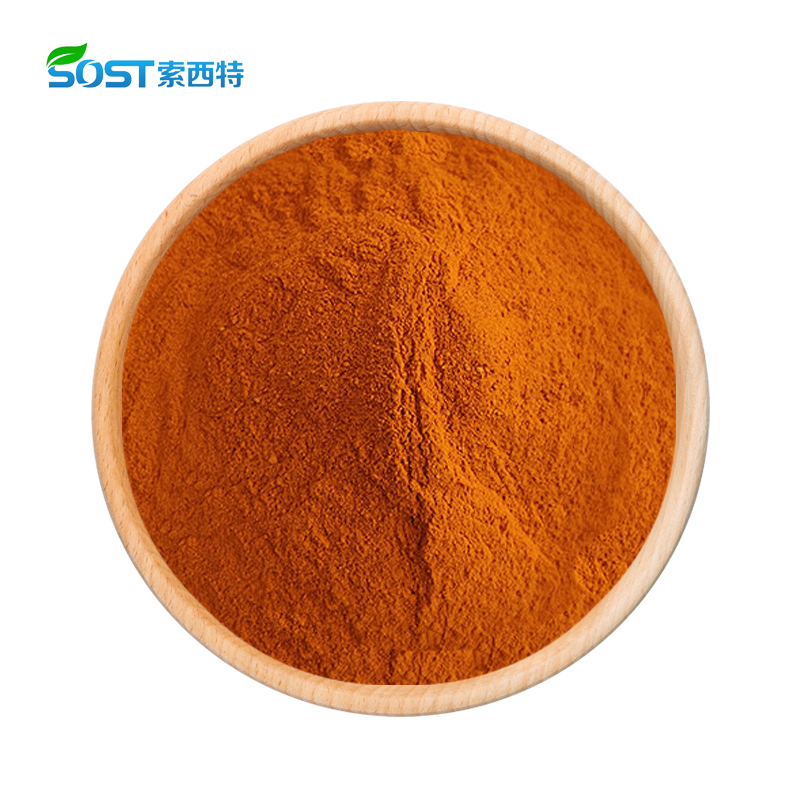
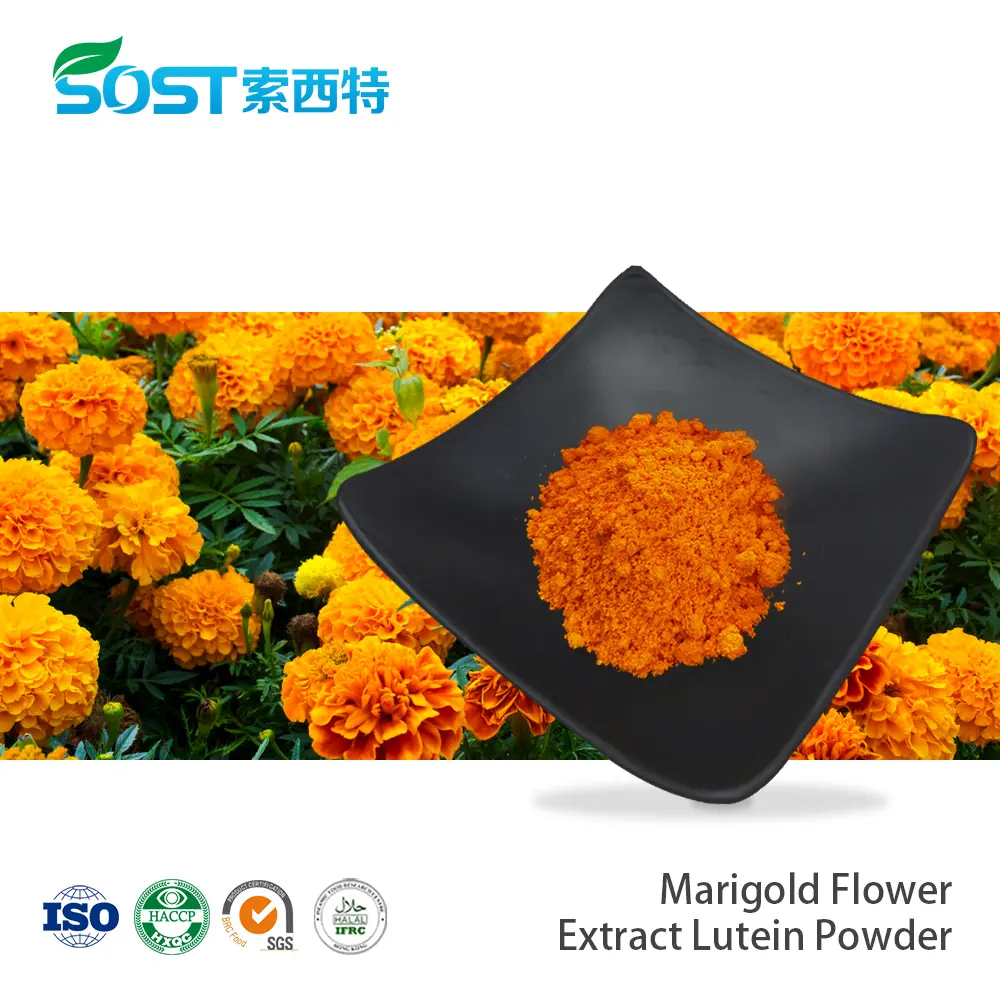
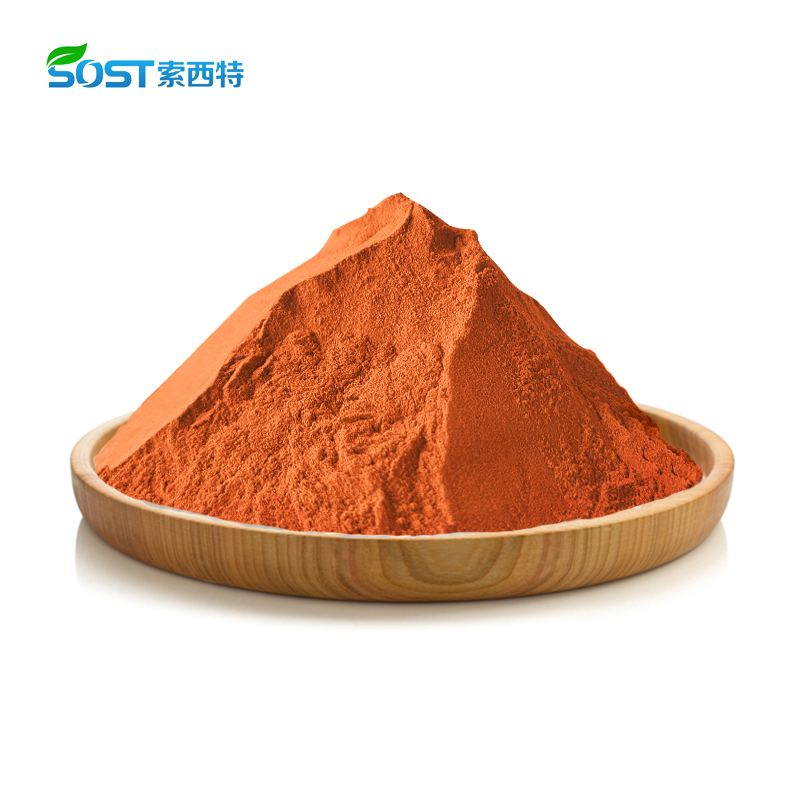
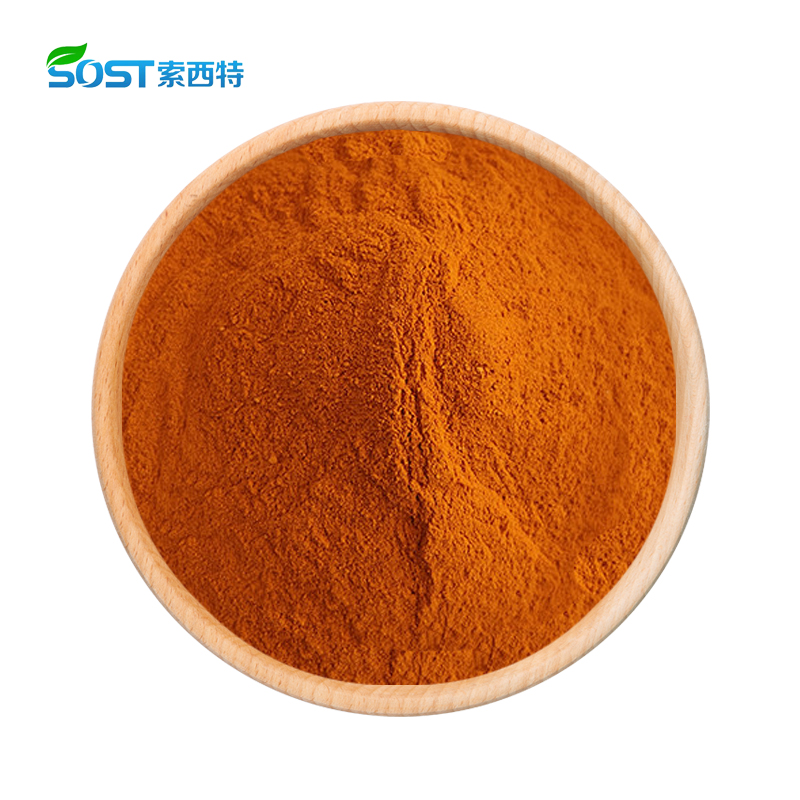




What is marigold flower extract?
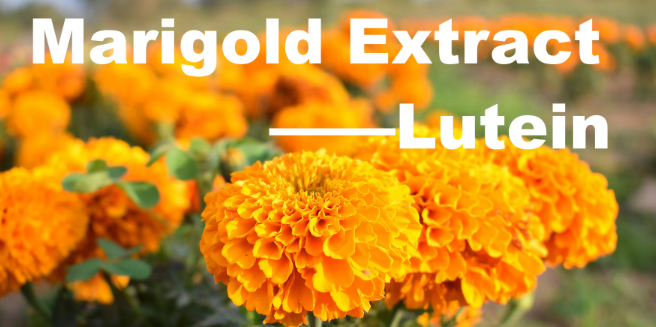
Marigold flower extract is a mixture of natural pigments and functional ingredients made from the flowers of the Asteraceae plant Tagetes erecta L., using a subcritical biotechnology low-temperature extraction process. Its core components are lutein and zeaxanthin, both carotenoids that are the primary pigments in the macula of the human retina. Marigold is native to Mexico and widely cultivated in China. Its flowers contain an average of at least 12 grams of yellow pigment per kilogram and are pollution-free. This extract is commonly known internationally as "marigold extract" and in China as "marigold lutein ointment."

COA
|
COA OF marigold extract
|
|
|
|
Analysis Item
|
Specification
|
Result
|
|
Active Content Test
|
||
|
Lutein CWS (HPLC)
|
≥5.0%
|
5.15%
|
|
Zeaxanthin
|
≤0.2%
|
0.18%
|
|
Physical Tests
|
||
|
Appearance:
|
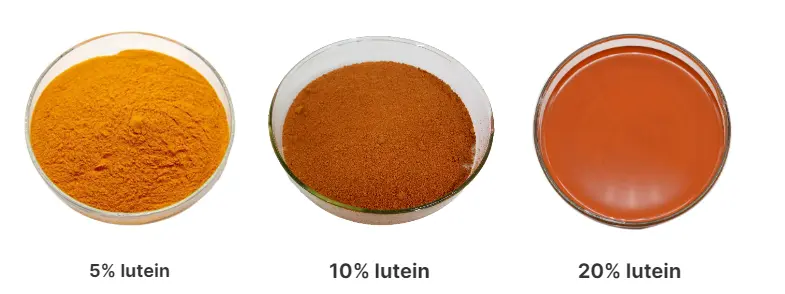
Orange-Red Powder
|
Complies
|
|
Odor:
|
Characteristic
|
Complies
|
|
Particle size:
|
90% pass 60 mesh
|
Complies
|
|
Loss on drying:
|
≤5.0%
|
1.8%
|
|
Ash Contents:
|
≤5.0%
|
1.5%
|
|
Chemical Tests
|
||
|
Heavy Metals:
|
≤5.0ppm
|
<3.0ppm
|
|
Lead:
|
≤3.0ppm
|
<1.0ppm
|
|
Arsenic:
|
≤3.0ppm
|
<2.0ppm
|
|
Residual Solvents:
|
≤50 ppm Only Ethanol
|
<30 ppm
|
|
Microbiological Tests
|
||
|
Total Bacteria Count:
|
<1000 cfu/g
|
<280 cfu/g
|
|
Yeast &Mold:
|
≤100 cfu/g
|
<10 cfu/g
|
|
Coliform:
|
≤30 MPN/g
|
<3 MPN/g
|
What are the uses of marigold flower extract?
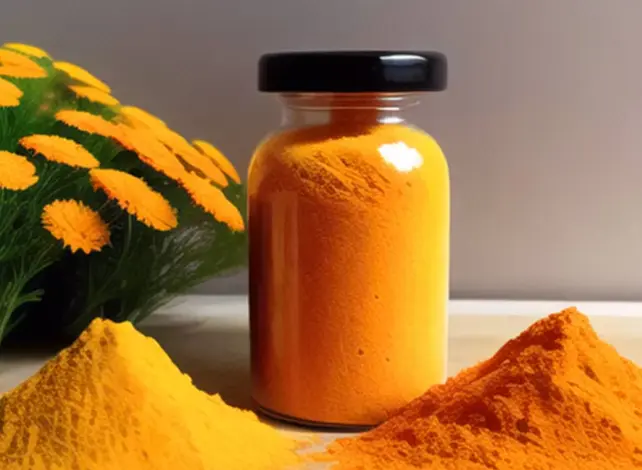
Marigold flower extract, rich in lutein and zeaxanthin, possesses multiple benefits, including antioxidant, eye protection, and coloring properties. It is widely used in the following areas:
Food Industry: As a natural pigment and flavoring additive, Marigold flower extract powder is used in cakes, biscuits, candies, beverages, dairy products, and other foods to enhance color and taste. The dosage is generally 0.01%–0.5% (based on the total weight of the food).
Feed Industry: As a feed additive, it boosts animal immunity, enhances muscle strength, and promotes growth and development. The dosage is generally 0.1%–1%.
Medical: It is used to protect vision and prevent eye diseases (such as
macular degeneration and cataracts), and as an antioxidant to slow aging. Industrial Applications: As a raw material for dyes, disinfectants, preservatives, and antioxidants, it is used in the textile, leather, paper, and paint industries to enhance product stability and antioxidant properties.
Agriculture: As a plant growth regulator, pesticide, and mildew inhibitor, it improves crop yield and quality.
Food Industry: As a natural pigment and flavoring additive, Marigold flower extract powder is used in cakes, biscuits, candies, beverages, dairy products, and other foods to enhance color and taste. The dosage is generally 0.01%–0.5% (based on the total weight of the food).
Feed Industry: As a feed additive, it boosts animal immunity, enhances muscle strength, and promotes growth and development. The dosage is generally 0.1%–1%.
Medical: It is used to protect vision and prevent eye diseases (such as
macular degeneration and cataracts), and as an antioxidant to slow aging. Industrial Applications: As a raw material for dyes, disinfectants, preservatives, and antioxidants, it is used in the textile, leather, paper, and paint industries to enhance product stability and antioxidant properties.
Agriculture: As a plant growth regulator, pesticide, and mildew inhibitor, it improves crop yield and quality.
Does Marigold Extract Really Improve Vision?
Yes, marigold extract has scientific evidence to support its potential to improve vision.
Lutein and zeaxanthin are the primary pigments in the macula of the retina and have the following benefits:
Blue light filtering: Reduces retinal damage from bright light sources such as electronic screens.
Antioxidant: Scavenges free radicals and protects retinal cells from oxidative stress.
Prevents eye diseases: Studies have shown that a daily intake of 6-10 mg of lutein can significantly improve vision and reduce the risk of macular degeneration and cataracts. Lutein supplementation is particularly beneficial for those who use electronic devices for a long time.
Lutein and zeaxanthin are the primary pigments in the macula of the retina and have the following benefits:
Blue light filtering: Reduces retinal damage from bright light sources such as electronic screens.
Antioxidant: Scavenges free radicals and protects retinal cells from oxidative stress.
Prevents eye diseases: Studies have shown that a daily intake of 6-10 mg of lutein can significantly improve vision and reduce the risk of macular degeneration and cataracts. Lutein supplementation is particularly beneficial for those who use electronic devices for a long time.
Where to buy marigold extract powder?
Our marigold extract powder products have a stable chain and good stability. The residue dissolution can be less than 10 ppm, which meets the requirements of domestic terminals. It can be added to dairy products, beverages, jellows and candies.
Contact us
Product Data Sheets
| Analysis | Description | Test Method |
| Appearance | Orange-yellow Powder | Visual |
| Odor | Characteristic | Organoleptic |
| Identification | Conform with reference sample | Organoleptic |
| Mesh Size | 100% pass 80 mesh | 80mesh screen |
| Moisture Content | ≤ 1.0% | GB5009.3-2016 |
| Heavy Metals | ≤ 10 ppm | GB 5009.3 |
| Arsenic (As) | ≤ 1.5 ppm | GB 5009.4 |
| Lead (Pb) | ≤ 2 ppm | GB 5009.11 |
| Cadmium(Cd) | ≤1ppm | GB 5009.12 |
| Mercury (Hg) | ≤1ppm | GB 5009.17 |
| Total Plate Count | ≤10000 cfu/g | GB 5009.15 |
| Yeast and Mold | ≤100 cfu/g | GB 5009.3 |
| Escherichia Coli | < 10cfu/g | GB 5009.4 |
| Salmonella/25g | Absent | GB 5009.11 |
| Effective constituent | Lutein≥20% | HPLC |
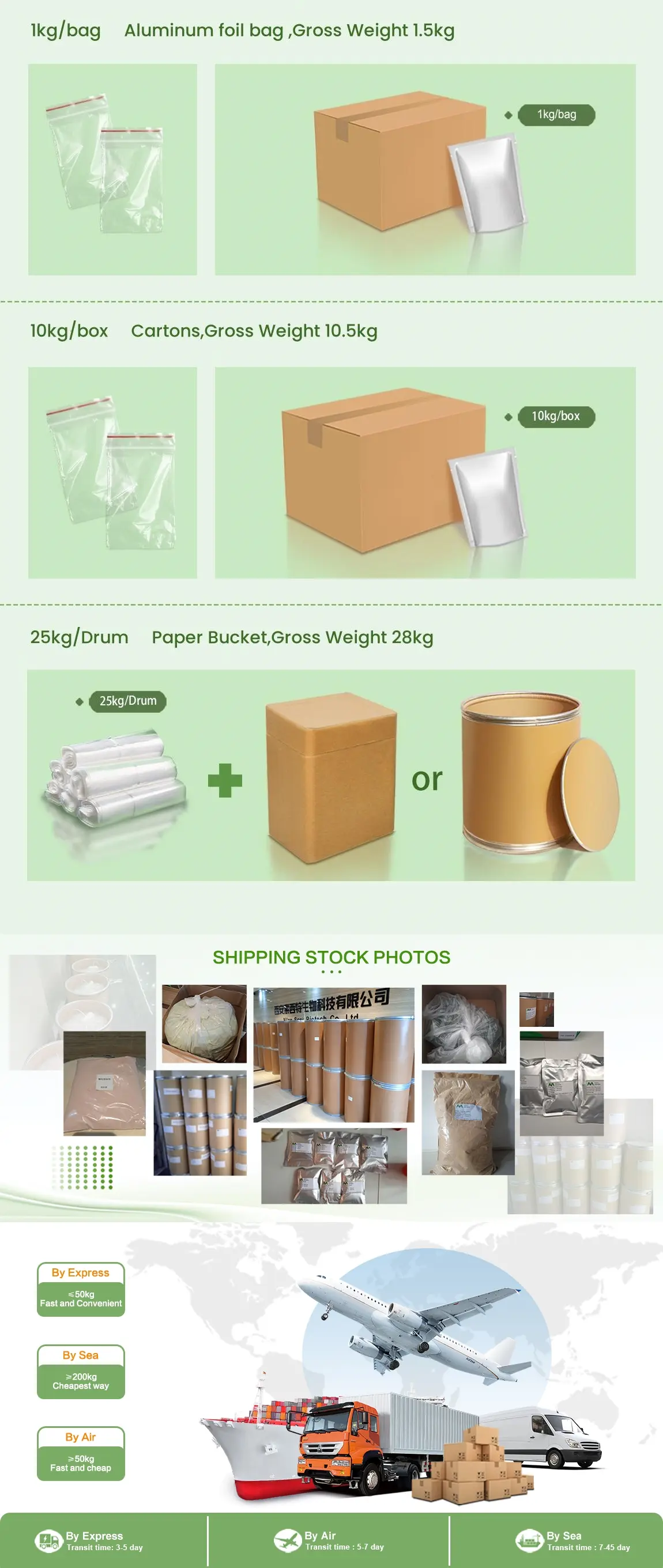
Packing & Shipping
What We Can Do?