
 Food Additives








Can sugarcane polyphenols really reduce fat?
Sugarcane polyphenols aren't a "weight loss drug," but they can reduce calorie absorption and stabilize insulin levels at the source, providing a solid scientific tool for controlling your diet. They can be considered the "first mile" solution for obesity management.
Clinical studies have shown that sugarcane polyphenols can simultaneously inhibit the activity of α-amylase and α-glucosidase in the intestines, effectively putting a "speed bump" on carbohydrates like rice, noodles, and sucrose. This reduces postprandial blood sugar peaks by 20%–35%, slows insulin fluctuations, and significantly weakens fat synthesis signals.
In a 2023 study published in the Journal of Functional Foods, a high-fat diet mouse model supplemented with only 1% sugarcane polyphenols daily for 12 weeks showed an 18.7% decrease in body fat and a 24.5% reduction in epididymal fat mass, while maintaining muscle mass. While further validation is needed to translate animal doses to humans, the potential for "fat loss without muscle loss" has emerged.
In Australia, CSR Sugar's LoGiCane low-GI brown sugar has been sold for 13 years. Its GI has dropped from 65 to below 50, resulting in a 68% repeat purchase rate, with 40% reporting a reduction in abdominal girth. Sugarcane polyphenols, as a core functional ingredient, play a crucial role.
How do sugarcane polyphenols transform "high-carb" into "low-GI"?
After the "low-GI" concept exploded in popularity, some questioned whether it was just sugar under a different label. Sugarcane polyphenols offer a technological answer—they can transform traditional high-GI ingredients into low-GI formulas without the use of sugar substitutes or sacrificing taste.
Sugarcane polyphenols powder are not just a marketing gimmick; they are currently the only natural ingredient recognized by multiple organizations in China, the US, Europe, and Australia to transform "real sugar" into "low-GI." For food companies, it offers a differentiated selling point: "lowering GI without sacrificing sweetness." For consumers, it offers a practical solution for achieving both "carb freedom" and "weight management."
Sugarcane polyphenols can form a reversible "gel barrier" on the intestinal wall and downregulate the expression of the GLUT2 transporter, limiting both passive and active glucose absorption and flattening the overall glycemic curve by approximately 30 minutes.
In May 2022, the National Health Commission officially approved sugarcane polyphenols as a new food ingredient (National Health Commission Announcement No. 2 of 2022). The recommended dosage is ≤1 g/day for powder and ≤10 g/day for liquid, completing the final "compliance" piece in the low-GI market.
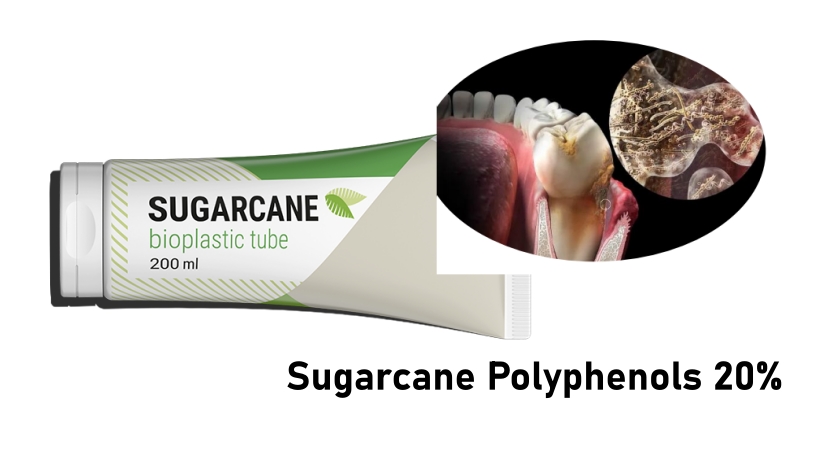
Will sugarcane polyphenols become a trending ingredient?
Technical Barriers: Polyphenol Fingerprinting + Patented Process
Currently, leading companies utilize a patented "low-temperature membrane filtration + ion exchange" process, achieving total polyphenols ≥ 200 mg/g, ORAC antioxidant values > 12,000 μmol TE/g, and batch-to-batch CV < 3%, far exceeding the industry average. Furthermore, a sugarcane polyphenol fingerprint has been established, ensuring traceability of raw materials and quantifiable activity, naturally raising the barrier to imitation.
Extended Applications: From weight loss to anti-aging, sports nutrition, and blood sugar management.
Anti-inflammatory: Inhibits pro-inflammatory factors such as TNF-α and IL-6, improving chronic inflammation associated with obesity.
Antioxidant: Its free radical scavenging capacity is 50 times that of vitamin E, extending the shelf life of energy bars.
Sports Nutrition: Stabilizes blood sugar levels and reduces the "wall" period. Already adopted by several North American endurance beverage brands.
Supply Chain Security: Non-GMO Sugarcane + Zero Pesticide Residue Standards
Globally, sugarcane cultivation covers approximately 26 million hectares, providing abundant raw material. Leading factories implement "zero pesticide residue and heavy metal double inspections" in compliance with EU 10/2011 and FDA 21 CFR standards, meeting both export and high-end domestic sales.