
 Food Additives






Does capsaicin really cause cancer?
Does regularly consuming capsaicin increase the risk of oral cancer?
1. Fact: A previously published study was the first to link cayenne pepper consumption to stomach cancer. It showed that people who used capsaicin long-term had a higher risk of stomach cancer than those who used it less frequently.
2. When capsaicin comes into contact with the adrenal gland, it activates the TRPV1 receptor, resulting in pain and irritation. Long-term use of high doses of capsaicin can cause the following side effects:
Abnormal gastric acid secretion; increased intestinal pH;
Muscle regeneration; faster cell growth; and more DNA errors.
The high expression of pro-inflammatory cytokines (IL-6 and TNF-α) creates a pro-inflammatory "microenvironment."
3. Does too much fast food prevent cancer?
Capsaicin can inhibit the growth of Helicobacter pylori, thus reducing one of the main risk factors for stomach cancer.
People who follow a high-carbohydrate diet generally eat more fruits and vegetables; this helps prevent inflammatory damage thanks to antioxidants such as vitamin C and flavonoids.
The dose of capsaicin therefore determines the degree of toxicity. The daily dose of capsaicin should not exceed 30 mg. However, a daily intake of more than 90 mg of capsaicin is associated with several risk factors, such as salt, calories, and fat intake.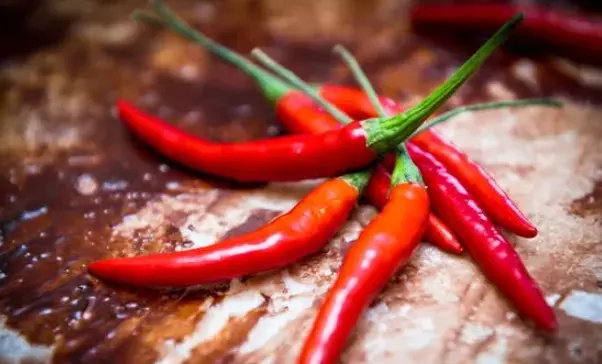
Is capsaicin a 'partner' or a 'killer' for cancer cells?
1. Researchers found that injecting prostate tumors in mice with capsaicin caused 70% of cell death and promoted tumor growth. Similar results were observed for insulin and diabetes. Capsaicin has also been found in lung cancer models. (Cancer Research Council) Meanwhile, other researchers have treated mice with capsaicin and the anti-inflammatory drug TPA, resulting in a 30% to 70% reduction in inflammation.
2. Analysis: The two main problems are its assembly and metabolism.
The 50 to 200 micromolar concentration typically used in experiments allows a 60 kg adult to ingest 1.5 to 6 kg of fat at a time.
TRPV1 receptor expression varies significantly between different organs. Therefore, the same dose can elicit different responses in different target organs.
Capsaicin is rapidly metabolized by CYP450 enzymes and has a half-life of less than an hour, making it difficult to determine blood concentrations.
It is therefore an overstatement to describe capsaicin as an "anticancer agent" or "carcinogen" without high-quality human studies. For the average person, the amount of capsaicin in their food is below the experimentally established carcinogenic levels, so there is no cause for concern. These are exceptions for a few special cases.
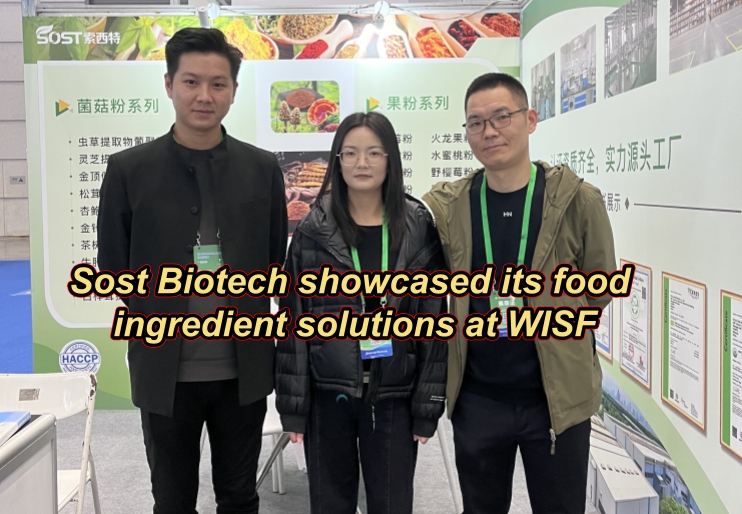
High-purity capsaicin: Why choose SOST Biotech?
You may have realized that whether you're making functional foods, pain relief patches, fat-reducing capsules, or in vitro diagnostic reagents, the purity, process, and traceability of the raw capsaicin are crucial for the safety and efficacy of the end product.SOST Biotech has specialized in capsaicinoids for 15 years. With a dual platform of natural and synthetic products, we serve customers in over 50 countries worldwide. We offer the following:
Natural capsaicin powder: Supercritical CO₂ extraction, 90%–98% capsaicinoid content, no detectable solvent residue, and pesticide residues that meet USP/EP standards;
Synthetic capsaicin powder (Nonivamide): A proprietary catalytic hydrogenation process, free of natural allergens, with batch-to-batch variation of less than 1%, meet the stringent requirements of pharmaceuticals and cosmetics for pesticide-free and colorant-free products;
Full range of specifications: From feed-grade 10% to reagent-grade 99.5%, from oil-soluble liquids to water-soluble encapsulated powders, with customization of activity, color, and spiciness level (SHU).
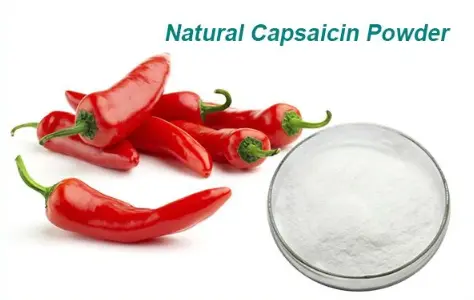
Please feel free to inquire, sample, or visit our factory.
Contact us