
 Food Additives



What the benefits of polydeoxyribonucleotides (PDRN)?
If you've seen keywords like "salmon shot" and "baby shot" on social media, you've missed out on the biggest wave of growth in the anti-aging market. Polydeoxyribonucleotides (PDRN), under the guise of "cellular repair," are sweeping the global high-end skincare and minimally invasive cosmetics markets. Over the past year, the number of new products containing PDRN in Asia-Pacific has skyrocketed 20-fold, reaching a 78% market share in South Korea, and the number of PDRN-containing products filed in China has surged 1,200% year-on-year.
Can PDRN truly reverse the effects of aging? How does it work?
For ingredient-obsessed individuals, "anti-aging" has long transcended simple wrinkle filling. In 2024, Nature Aging proposed a "Golden Triangle Model" of "Youthful Skin = Cellular DNA Repair + Mitochondrial Vitality + Collagen Homeostasis," and PDRN addresses all three of these challenges simultaneously:
Supplying DNA Raw Materials – the "Salvage Synthesis Pathway"
PDRN consists of deoxynucleotide chains ranging from 50–2000 bp, sharing up to 98% similarity to human DNA bases. Once inside cells, PDRN is directly broken down into purines and pyrimidines through the "salvage pathway," providing a one-time "spare tire" for damaged DNA and enabling fibroblasts and keratinocytes to rapidly repair themselves under oxidative stresses such as UV light, blue light, and ozone.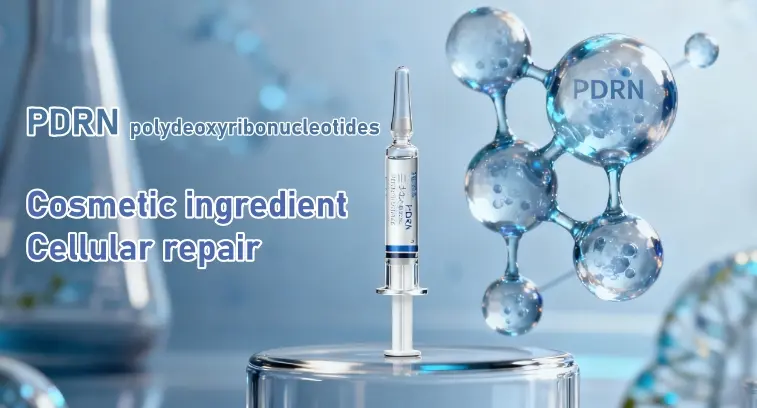
Activating Adenosine A2A Receptors – the "Anti-Inflammatory + Anti-Aging Switch"
The degraded nucleotide fragments act as adenosine A2A receptor agonists, inhibiting NF-κB signaling and downregulating inflammatory factors such as TNF-α and IL-6. They also increase cAMP levels and activate the expression of collagen I, III, and elastin genes. Clinical data show that 0.3% PDRN can increase type I collagen by 42%, elastin by 28%, and decrease MMP-1 (collagenase) activity by 35% within 14 days.
Enhancing Mitochondrial Biogenesis – An "Energy Charging Station"
Mitotracker fluorescence experiments confirm that PDRN can increase mitochondrial density and ATP production, restoring cellular "energy" to a youthful state. It also neutralizes ROS free radicals, blocking telomere shortening caused by oxidative stress, achieving true "cellular-level" anti-aging.
PDRN goes beyond simply "replenishing collagen"; rather, it restores the skin's "underlying code" to a youthful state through three key processes: DNA repair, inflammation regulation, and energy metabolism. It has been dubbed a "smear-based gene therapy."
Can PDRN be used on sensitive or acne-prone skin? How potent is its repairing power?
"Repair first, then treat" will be the main theme of skincare in 2025. The number of people with sensitive skin in China has exceeded 360 million, 77.7% of whom suffer from acquired barrier damage. PDRN's three main repair mechanisms have made it a "universal bandage" in the eyes of dermatologists and formulators:
Rapid anti-inflammatory—redness fades in 48 hours
In the RAW264.7 macrophage inflammation model, 0.156% PDRN inhibited TNF-α by 87%, and 0.625% PDRN inhibited TNF-α by 98%. This is more effective than 0.3% hydrocortisone, but without the side effects of hormones.
Accelerated wound healing—shortened recovery time by 30%
Multiple controlled clinical trials have shown that PDRN gel can shorten scab formation time after CO₂ fractional laser surgery from 7.2 days to 5.1 days and reduce the incidence of hyperpigmentation by 46%. It is particularly effective in repairing postoperative dark spots and redness from acne scarring.
Rebuilding the barrier—thickening the dermis by 20%
PDRN continuously stimulates the secretion of FGF, IGF, and VEGF, promoting capillary regeneration and delivering more nutrients to the basal layer. After 8 weeks, cheek stratum corneum thickness increased by 18%, transepidermal water loss (TWEL) decreased by 25%, and redness and peeling were significantly improved.
Is PDRN whitening a "tax"? Can it really lighten spots?
Traditional whitening agents (VC, symwhite 377, kojic acid) rely on "blocking"—inhibiting tyrosinase activity; PDRN uses a dual pathway of "draining" and "repairing":
Inhibiting melanin production
Cellular experiments showed that PDRN can downregulate melanin production genes such as MITF, TYR, TRP-1, and TRP-2. A 0.1% concentration inhibited melanin content in B16-F10 melanoma cells by 36%, comparable to 0.5% kojic acid, but with virtually zero cytotoxicity.
Accelerating melanin metabolism
PDRN increases keratinocyte proliferation, accelerating the shedding of produced melanin. It also promotes angiogenesis, improving local microcirculation, and removing "spot stores," preventing recurring deposits.
Anti-inflammatory hyperpigmentation
Post-laser dark spots and acne scars are essentially "post-inflammatory hyperpigmentation." PDRN first eliminates inflammation and then reduces melanin at the source. This two-pronged approach has clinically reduced the rate of dark spots by nearly 50%.
In the spring of 2025, the "PDRN Photosensitive Whitening Bottle" launched by the A**da Group in Japan sold 420,000 bottles in its first month, with 92% of users reporting that it was "fastest to treat new acne scars," demonstrating its potential in the whitening market.
How can I purchase PDRN powder raw materials?
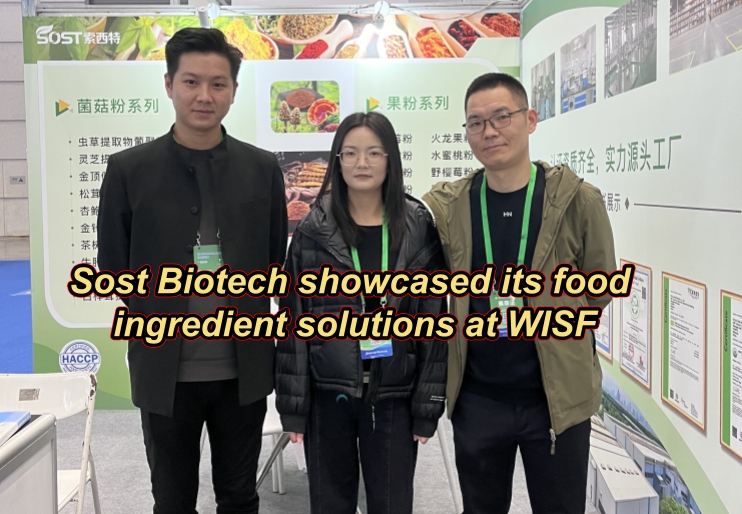
Sost biotech has specialized in the research and development and production of polydeoxyribonucleotide powders for 10 years and holds multiple certifications, including EU ECOCERT, ISO 22000, and US FDA DMFs.
Source: Norwegian deep-sea salmon germ cells, DNA purity ≥99%, molecular weight 80–200 kDa, highly active segments.
Appearance: White, odorless powder, water-soluble and transparent, suitable for serums, lyophilized powders, ampoules, facial masks, microneedles, and hydrating injections.
Efficacy Approval: China's NMPA New Cosmetic Ingredient Registration Number has been published, supporting efficacy evaluation reports and clinical data packages.
Capacity: Pharmaceutical-grade GMP facility, 1,000 kg/month, minimum order quantity 100 g, global stock delivered within 3–7 days.
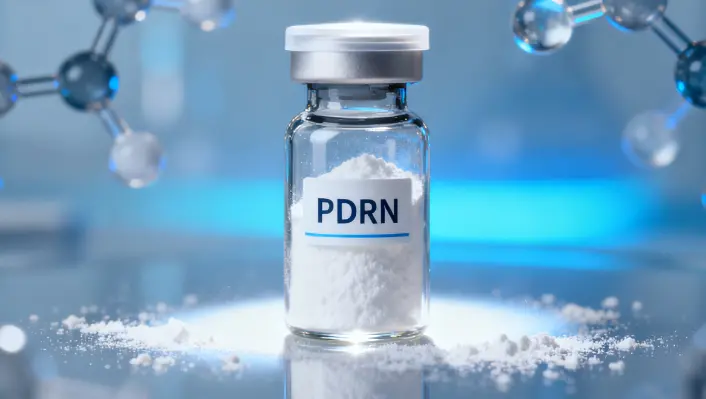
We provide a one-stop service from raw materials → formulation → efficacy testing → registration guidance. Brand owners, OEM/ODM distributors, and OEM/ODM distributors are welcome to inquire and request free samples!
Email:ericyang@xasost.com
Contact us