

Active Pharmaceutical Ingredients


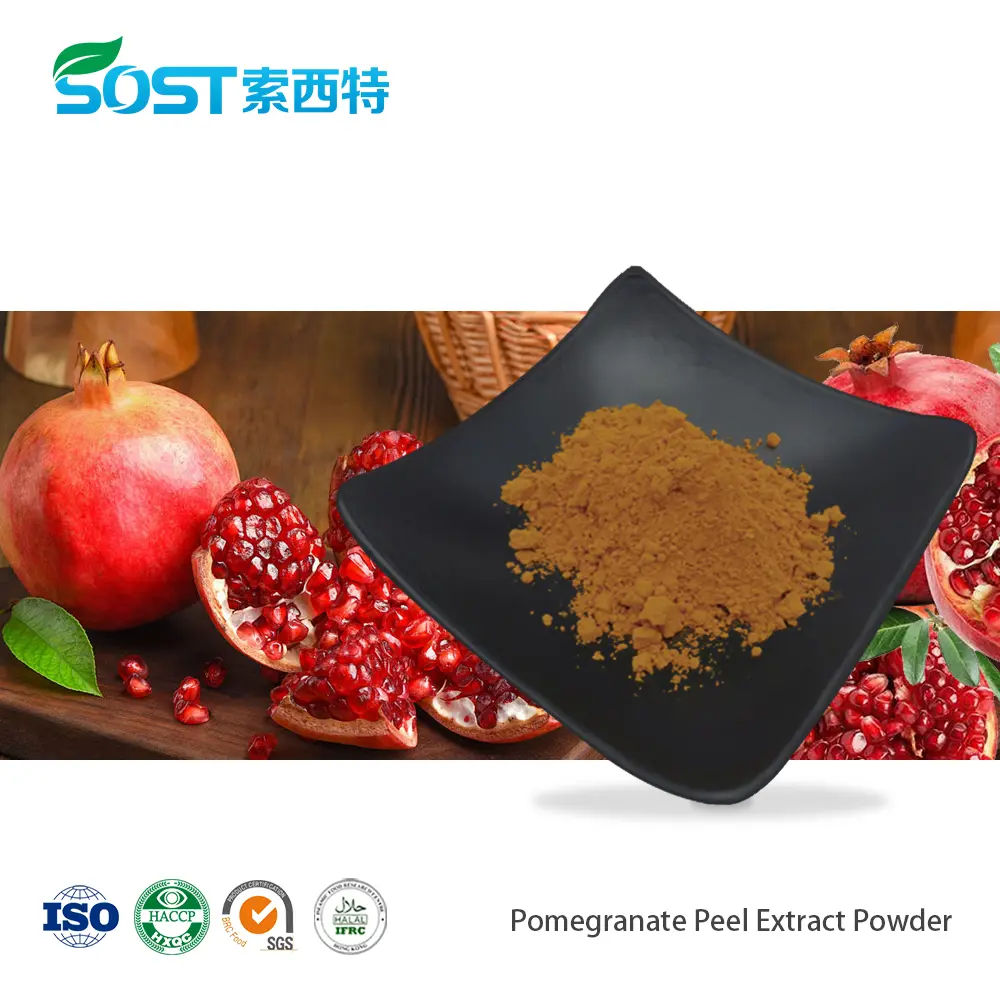
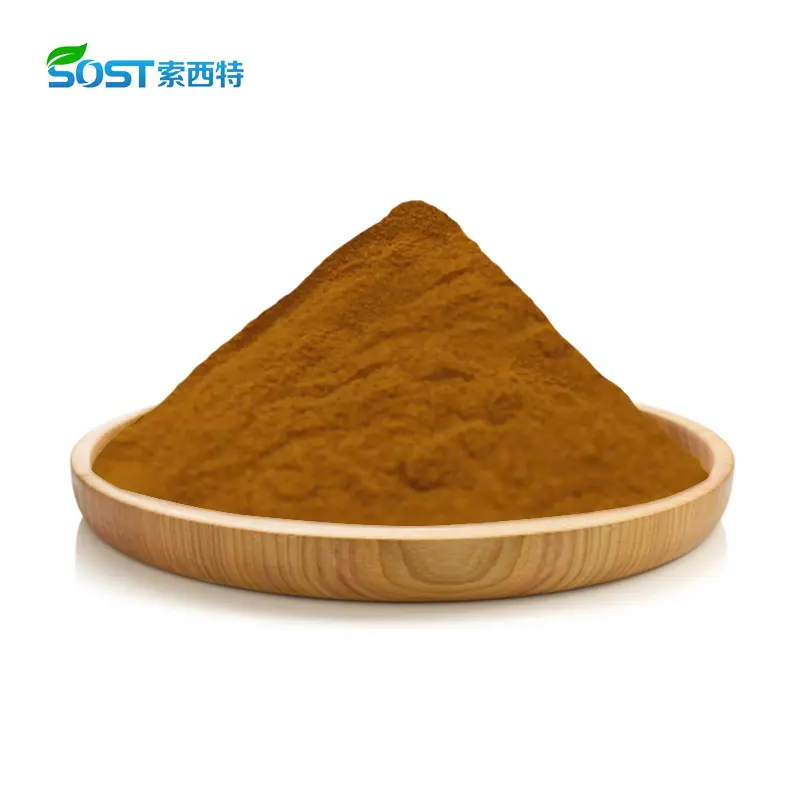
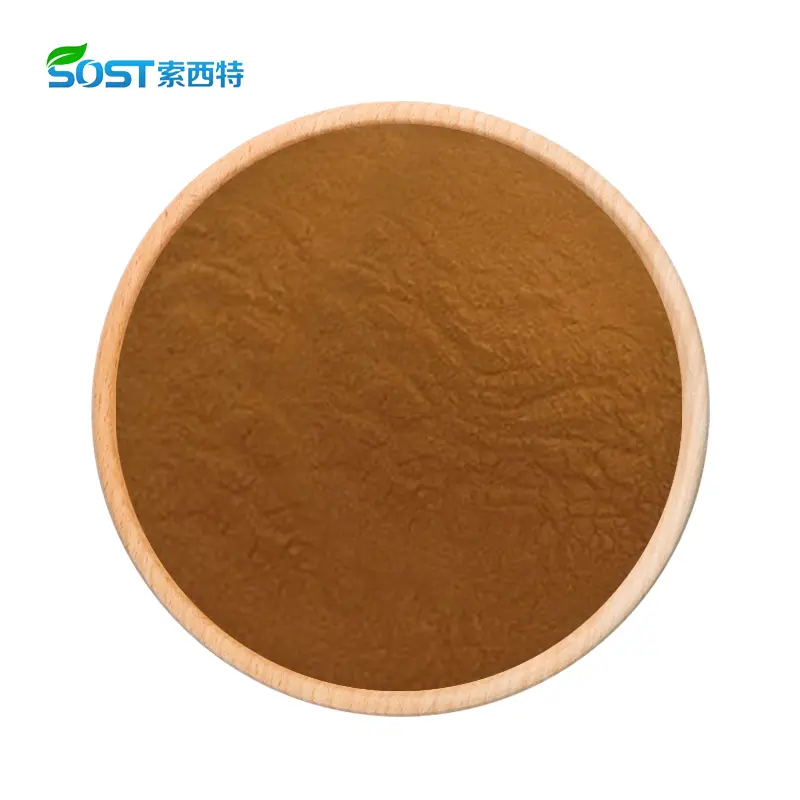







what is Pomegranate peel Extract?
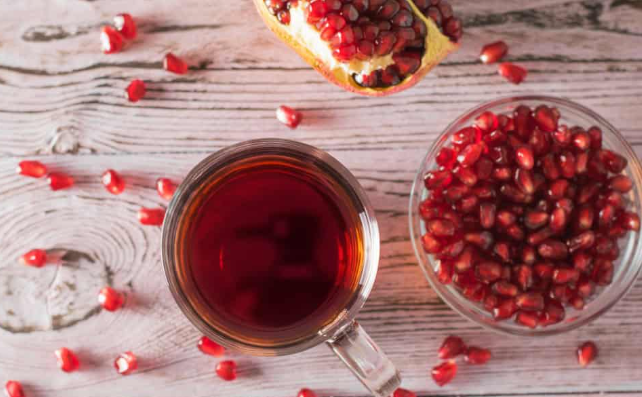
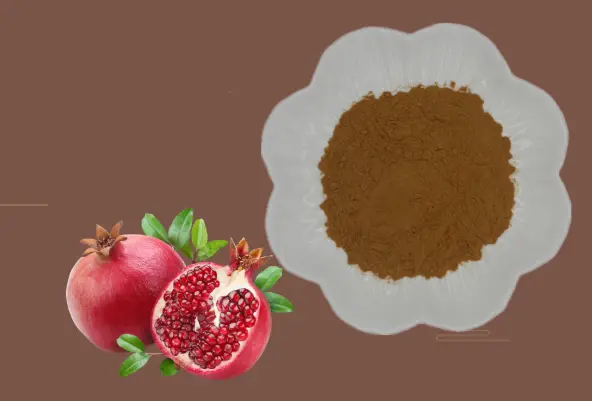
Pomegranate peel extract is a compound extracted from the dried peel of pomegranate, a plant of the Pomegranate family. Its main active components include ellagic acid, gargarin, gallic acid and other phenolic substances, which are widely used as raw materials for food and health products.
What is pomegranate peel extract used for?
Pomegranate peel extract can be used as a natural antioxidant, antibacterial agent and stabilizer in food and health products to extend the shelf life.It also shows promise in skin care for restoring the balance of the skin microbiota and fighting infections. It has potential health applications in treating inflammation, supporting cardiovascular health, and even as an antiviral drug.
What is pomegranate extract supplement good for?
1.Antibacterial and antiviral
The ellagic acid, polyphenols and other components in pomegranate peel can inhibit the activity of various bacteria (such as Escherichia coli, Staphylococcus aureus) and viruses, reducing the risk of intestinal infection. Research has found that its extract also has an inhibitory effect on fungi (such as Candida albicans), but further clinical verification is needed.
2.Antioxidant and anti-inflammatory properties
Pomegranate peel polyphenols can eliminate free radicals, reduce oxidative stress damage and delay cellular aging.
Alleviate chronic inflammatory responses by inhibiting the release of inflammatory factors such as TNF-α and IL-6.
3.Regulate metabolic functions
Animal experiments have shown that its extract may assist in regulating blood sugar by improving insulin sensitivity.
Some studies suggest that it has a certain regulatory effect on dyslipidemia, but more human trials are needed to support it.
4.Hemostasis and antidiarrheal
Ellagic acid can astringe the intestinal mucosa and reduce the frequency of diarrhea.
It is often used in traditional medicine to relieve mild diarrhea.When used externally, it may help stop bleeding from small wounds, but open wounds should be avoided.
The ellagic acid, polyphenols and other components in pomegranate peel can inhibit the activity of various bacteria (such as Escherichia coli, Staphylococcus aureus) and viruses, reducing the risk of intestinal infection. Research has found that its extract also has an inhibitory effect on fungi (such as Candida albicans), but further clinical verification is needed.
2.Antioxidant and anti-inflammatory properties
Pomegranate peel polyphenols can eliminate free radicals, reduce oxidative stress damage and delay cellular aging.
Alleviate chronic inflammatory responses by inhibiting the release of inflammatory factors such as TNF-α and IL-6.
3.Regulate metabolic functions
Animal experiments have shown that its extract may assist in regulating blood sugar by improving insulin sensitivity.
Some studies suggest that it has a certain regulatory effect on dyslipidemia, but more human trials are needed to support it.
4.Hemostasis and antidiarrheal
Ellagic acid can astringe the intestinal mucosa and reduce the frequency of diarrhea.
It is often used in traditional medicine to relieve mild diarrhea.When used externally, it may help stop bleeding from small wounds, but open wounds should be avoided.
What are the side effects of pomegranate peel?
1. Gastrointestinal irritation Pomegranate peel contains a large amount of tannin (tannic acid). Excessive or long-term consumption may cause abdominal pain, nausea, vomiting, and even aggravate constipation.People with weak spleen and stomach are more prone to such reactions.
2.Allergy riskSome people may be allergic to the components in pomegranate peels, presenting symptoms such as itchy skin, redness and swelling, rashes or respiratory discomfort.It is recommended to conduct a low-dose test for the first use.
3.Burden on the liver and kidneysLong-term and excessive use may increase the metabolic pressure on the liver and kidneys, especially for those with impaired liver function, caution is needed.Animal experiments have shown that high doses of tannic acid may cause liver cell damage.
4.Affect nutrient absorptionTannic acid can combine with proteins and minerals in food (such as iron and calcium), reducing the absorption rate of nutrients. In the long term, it may induce anemia or malnutrition.
5. Drug interactionsPomegranate peels may interfere with the metabolism of antihypertensive and hypoglycemic drugs, leading to abnormal drug efficacy.Those who are taking chronic disease medications should follow their doctor's advice.
2.Allergy riskSome people may be allergic to the components in pomegranate peels, presenting symptoms such as itchy skin, redness and swelling, rashes or respiratory discomfort.It is recommended to conduct a low-dose test for the first use.
3.Burden on the liver and kidneysLong-term and excessive use may increase the metabolic pressure on the liver and kidneys, especially for those with impaired liver function, caution is needed.Animal experiments have shown that high doses of tannic acid may cause liver cell damage.
4.Affect nutrient absorptionTannic acid can combine with proteins and minerals in food (such as iron and calcium), reducing the absorption rate of nutrients. In the long term, it may induce anemia or malnutrition.
5. Drug interactionsPomegranate peels may interfere with the metabolism of antihypertensive and hypoglycemic drugs, leading to abnormal drug efficacy.Those who are taking chronic disease medications should follow their doctor's advice.
How to buy Pomegranate peel Extract?
Buy Pomegranate peel Extract - Contact SoST Biotech for:
✓ Bulk discounts (MOQ 25kg)
✓ FREE 20g samples with COA
✓ OEM services/Specification Customization
Email:ericyang@xasost.com
Product Data Sheets
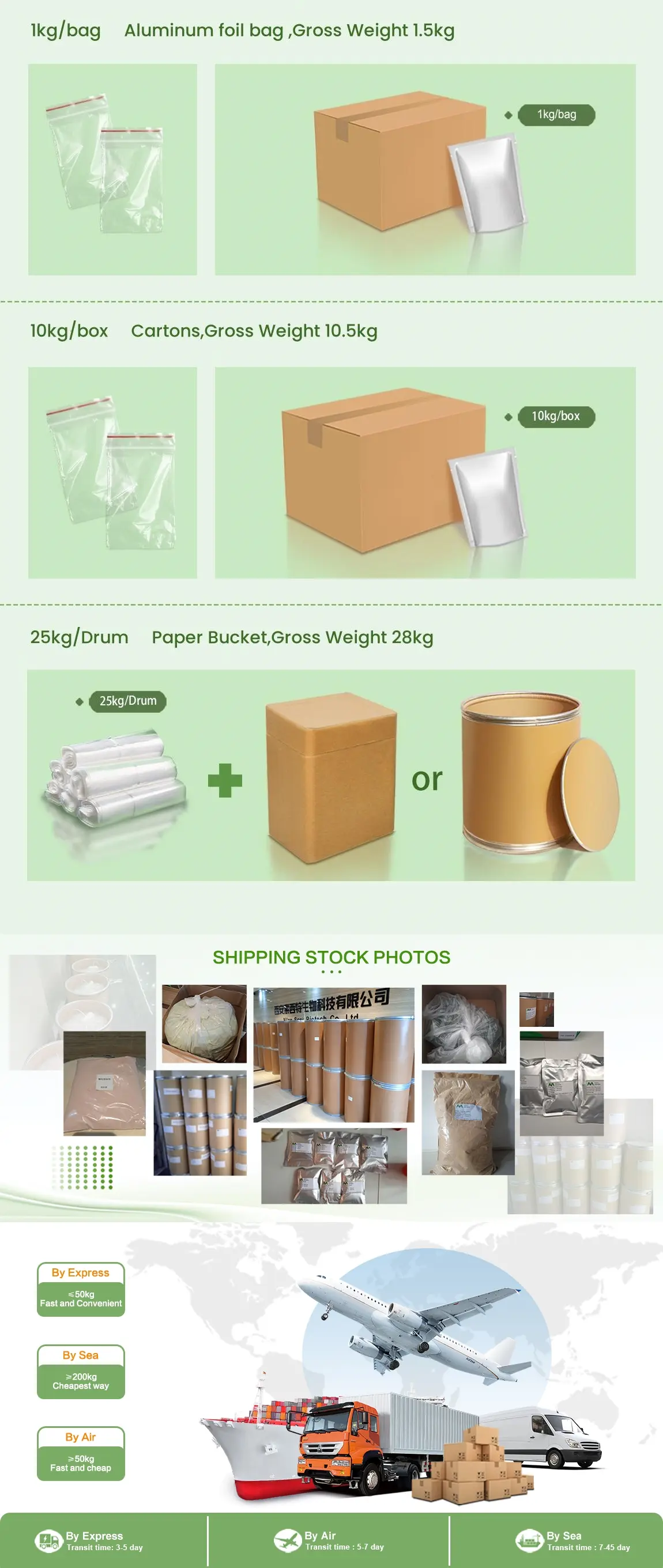
Packing & Shipping
What We Can Do?