

Food Additives






What is Stevia Rebaudiana Powder?
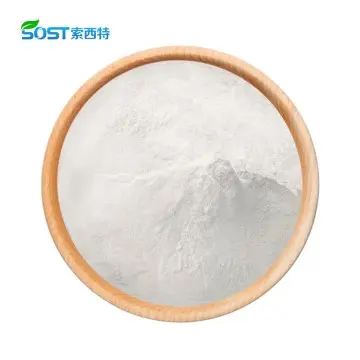
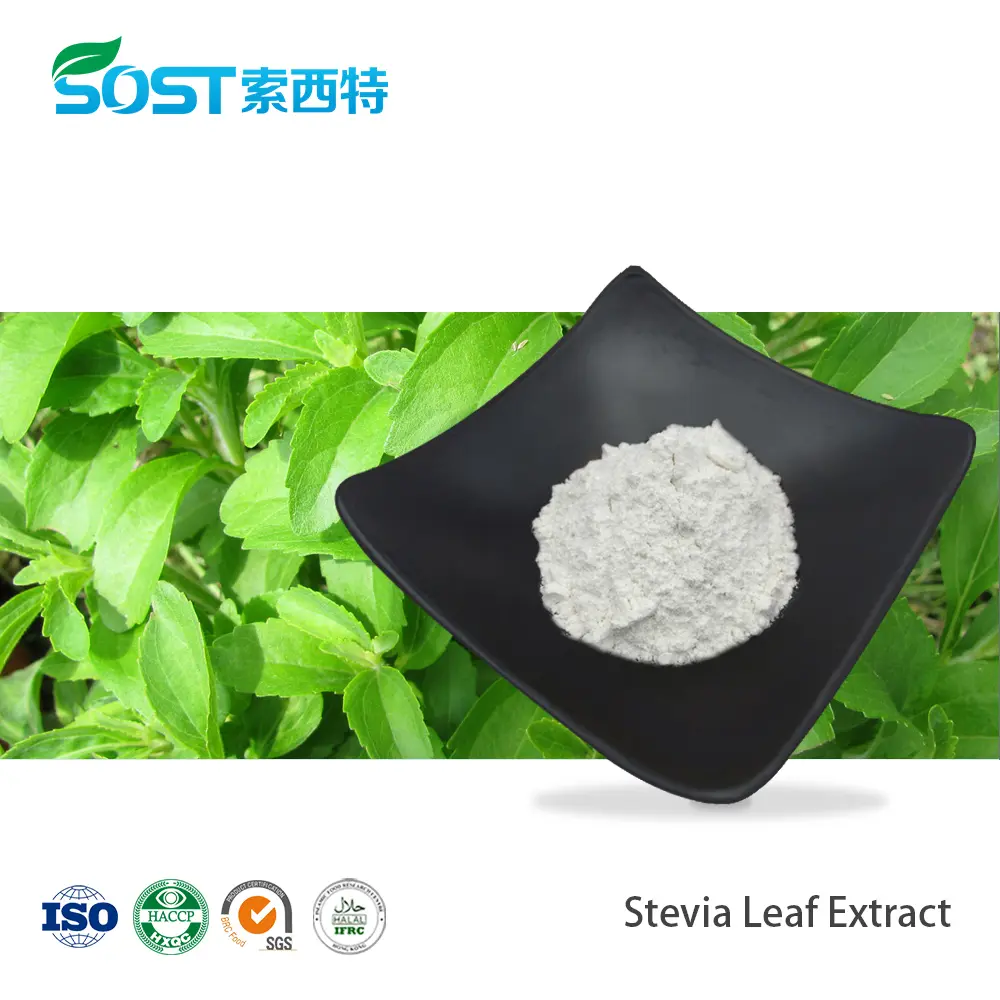
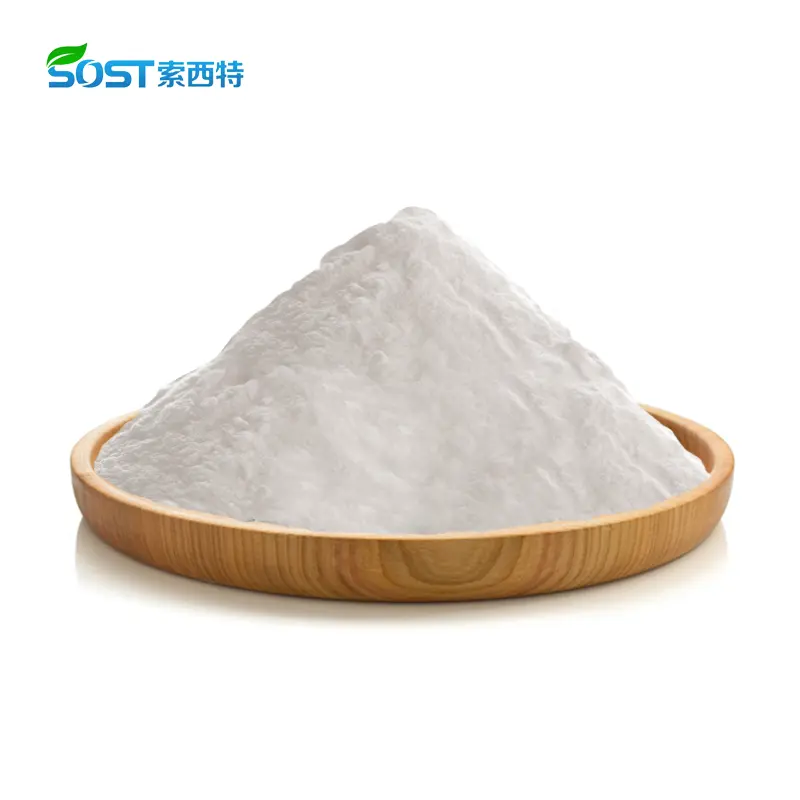
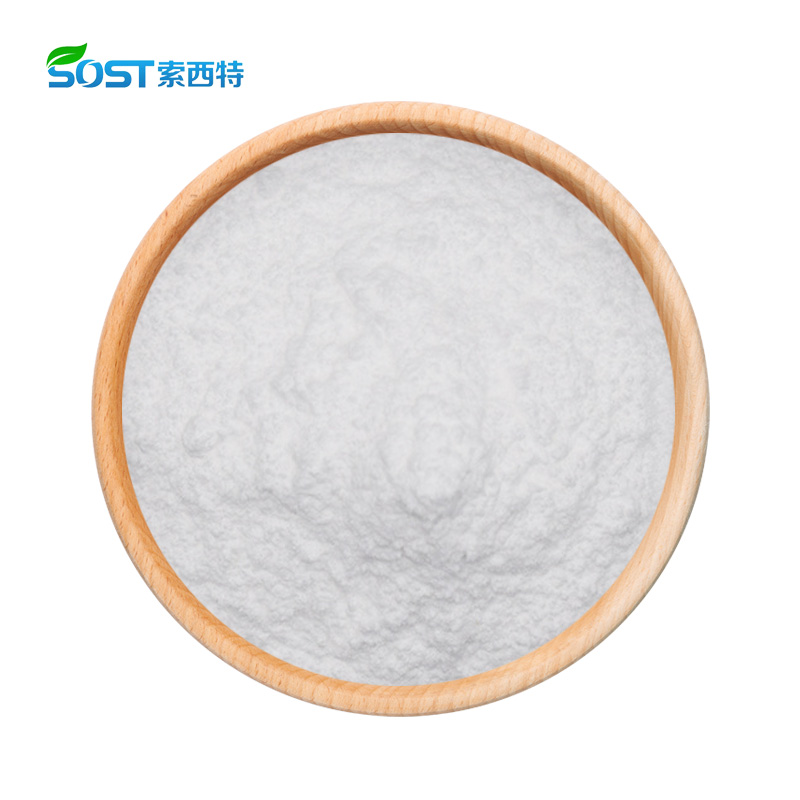
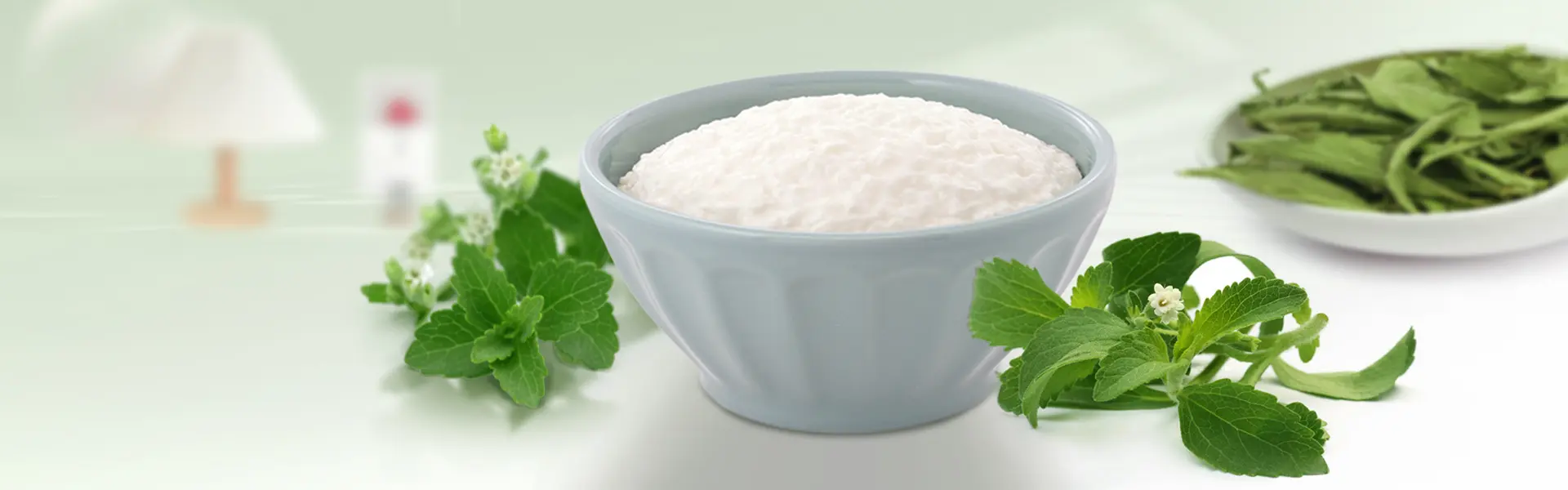
Stevia rebaudiana powder is extracted from the leaves of the Asteraceae plant, Stervia rebaudiana. Its main active ingredient is stevioside. Steviosides act as sweeteners and have been shown to lower blood sugar and blood pressure, stimulate metabolism, and treat excessive gastric acid.
The main sweetening components are stevioside, steviolbioside, rebaudioside A (R-A), rebaudioside B (R-B), rebaudioside C (R-C), rebaudioside D (R-D), rebaudioside E (R-E), and dulcoside A (Dul-A). Stevioside is a white to light yellow crystalline powder. It has a refreshing sweetness, approximately 300 times sweeter than sucrose. High concentrations can have a slightly bitter taste.
Commercial production involves water or ethanol extraction from dried leaves, followed by purification to achieve 95-99% glycoside purity. Its zero glycemic index makes it popular in diabetic-friendly products.
The main sweetening components are stevioside, steviolbioside, rebaudioside A (R-A), rebaudioside B (R-B), rebaudioside C (R-C), rebaudioside D (R-D), rebaudioside E (R-E), and dulcoside A (Dul-A). Stevioside is a white to light yellow crystalline powder. It has a refreshing sweetness, approximately 300 times sweeter than sucrose. High concentrations can have a slightly bitter taste.
Commercial production involves water or ethanol extraction from dried leaves, followed by purification to achieve 95-99% glycoside purity. Its zero glycemic index makes it popular in diabetic-friendly products.
COA
| Items | Specification | Results |
| Color | White To light yellow | white |
| Appearance | Powder Or crystal | Powder |
| Oder | Characteristic | Characteristic |
| Total Glucoside Content/% | ≥80 | 85.64 |
| PH | 4.5-7.0 | 5.25 |
| Burned residue/% | ≤1 | 0.09 |
| Loss on Drying/% | ≤6 | 2.45 |
| Pb/(mg/kg) | ≤1 | <1 |
| Lead(Pb)/(mg/kg) | ||
| Arsenic/(mg/kg) | ≤1 | <1 |
| methanol/(mg/kg) | ≤ 200 | 30 |
| ethanol/(mg/kg) | ≤ 5000 | 1030 |
| Microbiological Analysis: | ||
| TABC | <1000cfu/g | <1000 cfu/g |
| Yeast/Mold | <100 cfu/g | <100 cfu/g |
| Shelf Life: | Three Years | |
Does Stevia Rebaudiana Have Erythritol?
No, stevia leaves do not naturally contain erythritol. Erythritol is a sugar alcohol produced through fermentation of glucose, while stevia's sweetness comes from steviol glycosides. However, manufacturers often blend them:
Synergistic effect: Erythritol (0.7× sucrose sweetness) masks stevia's bitter aftertaste
Commercial blends: Common ratios include 1:1 stevia-to-erythritol for tabletop sweeteners
Synergistic effect: Erythritol (0.7× sucrose sweetness) masks stevia's bitter aftertaste
Commercial blends: Common ratios include 1:1 stevia-to-erythritol for tabletop sweeteners
Can I Substitute Powdered Stevia for Liquid Stevia?
Yes, with proper conversion:
General ratio: 1 tsp powdered stevia ≈ ½ tsp liquid extract (adjust based on product concentration)
Baking tips:Replace 1 cup sugar with ½ tsp powdered stevia + ⅓ cup bulk filler (e.g., applesauce)
Reduce other liquids by 25% when using liquid stevia to maintain texture
Caution: Liquid stevia often contains alcohol or glycerin, which may affect flavor in heat-sensitive recipes.
General ratio: 1 tsp powdered stevia ≈ ½ tsp liquid extract (adjust based on product concentration)
Baking tips:Replace 1 cup sugar with ½ tsp powdered stevia + ⅓ cup bulk filler (e.g., applesauce)
Reduce other liquids by 25% when using liquid stevia to maintain texture
Caution: Liquid stevia often contains alcohol or glycerin, which may affect flavor in heat-sensitive recipes.
The Side Effects of Stevia rebaudiana extract
Although numerous studies, including a two-year chronic toxicology study, have failed to reveal any mutagenic potential for stevioside, some have found that metabolically active steviol can produce mutagenic effects.
In 1985, Pezzuto et al. conducted mutagenicity experiments using the S-9 site in homogenized mouse liver tissue treated with Aroclor 1254 or phenobarbital and coenzyme II as an active system and Salmonella typhimuriumTM677 carrying the "R-factor" plasmid PKM1001 as a marker system. They concluded that the metabolic activity mediated by cytochrome P-450 is related to a double bond between steviol's C-16 and C-17 positions, which can generate a hitherto unknown mutagenic factor. They also proposed that the C-13 hydroxyl group of steviol is a mutagenic agent, while acetylated derivatives of steviol at C-13 would prevent its mutagenic activity. They also found that metabolically active steviol exhibited strong bactericidal activity within the concentration range where mutagenic activity was observed. Since steviol is produced in mice, whose microbiomes differ from those of humans, and the stevioside concentration used in the experiment was at least 100 times higher than the amount typically found in food, the dilution of the concentration in the digestive tract significantly reduces the potential for mutations.
In 1985, Pezzuto et al. conducted mutagenicity experiments using the S-9 site in homogenized mouse liver tissue treated with Aroclor 1254 or phenobarbital and coenzyme II as an active system and Salmonella typhimuriumTM677 carrying the "R-factor" plasmid PKM1001 as a marker system. They concluded that the metabolic activity mediated by cytochrome P-450 is related to a double bond between steviol's C-16 and C-17 positions, which can generate a hitherto unknown mutagenic factor. They also proposed that the C-13 hydroxyl group of steviol is a mutagenic agent, while acetylated derivatives of steviol at C-13 would prevent its mutagenic activity. They also found that metabolically active steviol exhibited strong bactericidal activity within the concentration range where mutagenic activity was observed. Since steviol is produced in mice, whose microbiomes differ from those of humans, and the stevioside concentration used in the experiment was at least 100 times higher than the amount typically found in food, the dilution of the concentration in the digestive tract significantly reduces the potential for mutations.
where to buy Stevia rebaudiana extract?
Buy Stevia Rebaudiana Powder - Contact SoST Biotech Factory for:
✓ Bulk discounts (MOQ 25kg)
✓ FREE 20g samples with COA
✓ OEM services/Specification Customization
Email:ericyang@xasost.com
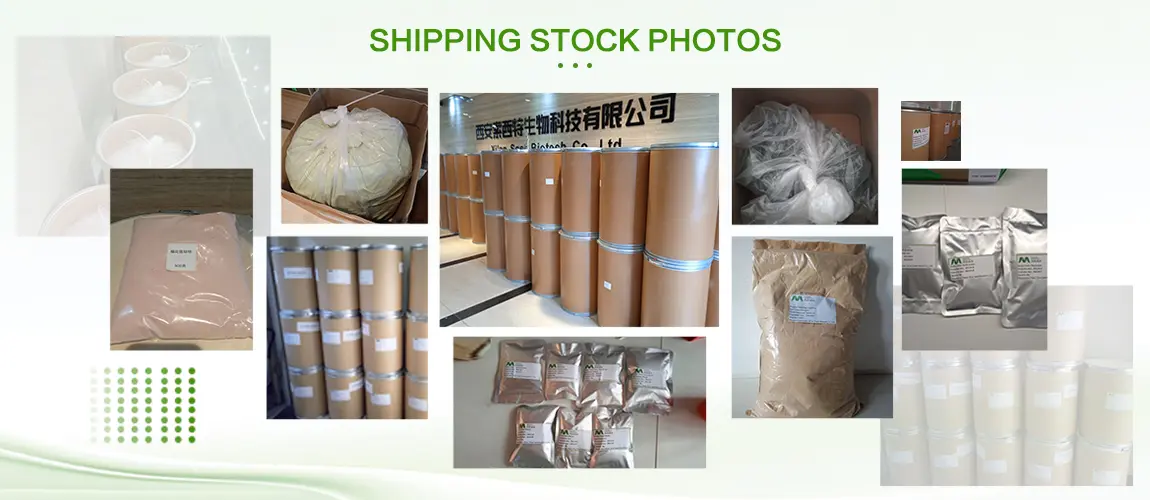
Packing & Shipping
What We Can Do?

Product Data Sheets
| Items | Specification | Results |
| Color | White To light yellow | white |
| Appearance | Powder Or crystal | Powder |
| Oder | Characteristic | Characteristic |
| Total Glucoside Content/% | ≥80 | 85.64 |
| PH | 4.5-7.0 | 5.25 |
| Burned residue/% | ≤1 | 0.09 |
| Loss on Drying/% | ≤6 | 2.45 |
| Pb/(mg/kg) | ≤1 | <1 |
| Lead(Pb)/(mg/kg) | ||
| Arsenic/(mg/kg) | ≤1 | <1 |
| methanol/(mg/kg) | ≤ 200 | 30 |
| ethanol/(mg/kg) | ≤ 5000 | 1030 |
| Microbiological Analysis: | ||
| TABC | <1000cfu/g | <1000 cfu/g |
| Yeast/Mold | <100 cfu/g | <100 cfu/g |
| Shelf Life: | Three Years | |