

Active Pharmaceutical Ingredients
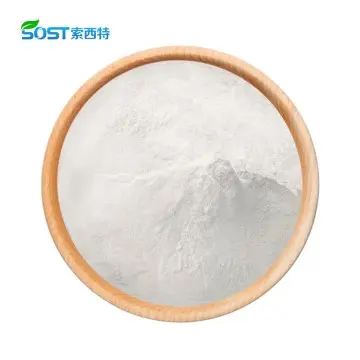


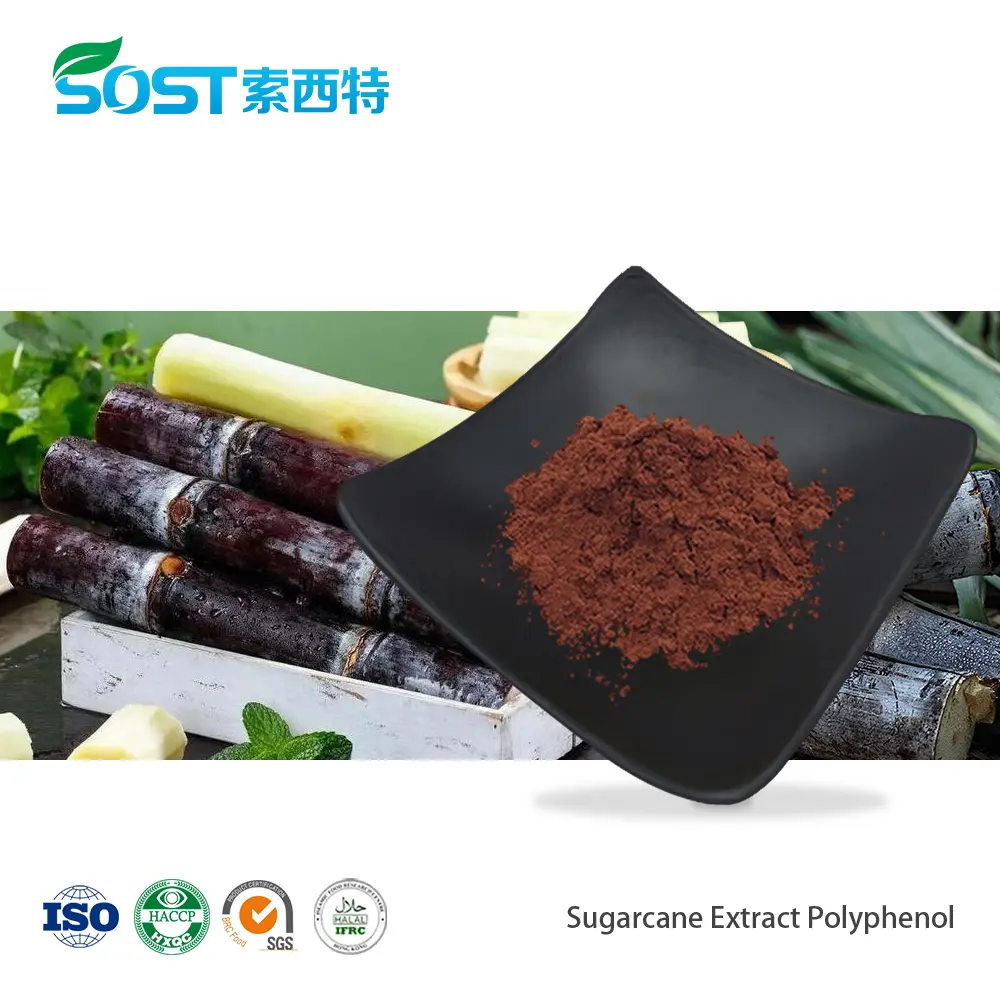
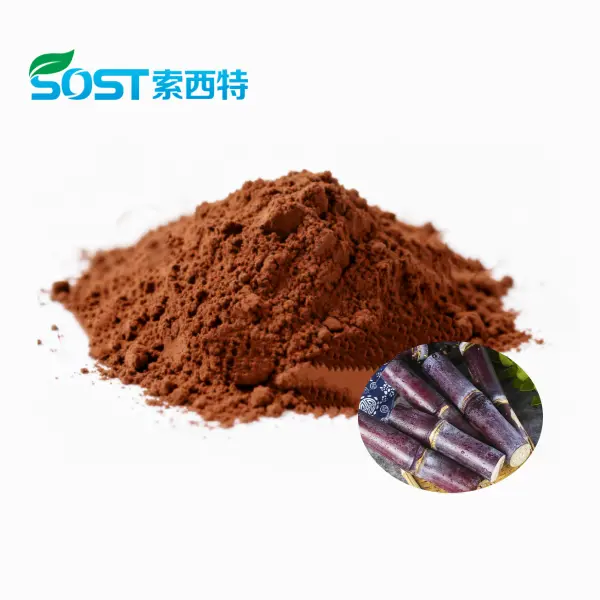


what is Sugarcane Polyphenols Powder?
Sugarcane polyphenols powder are a class of secondary metabolites isolated from all parts of plants (Saccharum officinarum L.) and are collectively referred to as "polyphenols". Their skeleton is rich in phenolic hydroxyl groups and consists of four groups:
Phenolic acids: chlorogenic acid, p-coumaric acid and others caffeic acid;
Flavonoids: epicatechin, rutin, quercetin and kaempferol;
Anthocyanins and proanthocyanidins: cyanidin-3-glucoside, malvidin-p-coumaridin and others;
Lignin oligomers and cinnamic acid derivatives.
Phenolic acids: chlorogenic acid, p-coumaric acid and others caffeic acid;
Flavonoids: epicatechin, rutin, quercetin and kaempferol;
Anthocyanins and proanthocyanidins: cyanidin-3-glucoside, malvidin-p-coumaridin and others;
Lignin oligomers and cinnamic acid derivatives.
Compared with other polyphenols, plant polyphenols offer advantages in terms of their easy availability, pure monomers, light color and low odor. Approximately 380 million tons of molasses and 12 million tons of molasses are produced worldwide per harvest. These "residues" can contain between 2% and 6% (by dry weight) of polyphenols, making them low-value, highly active compounds.
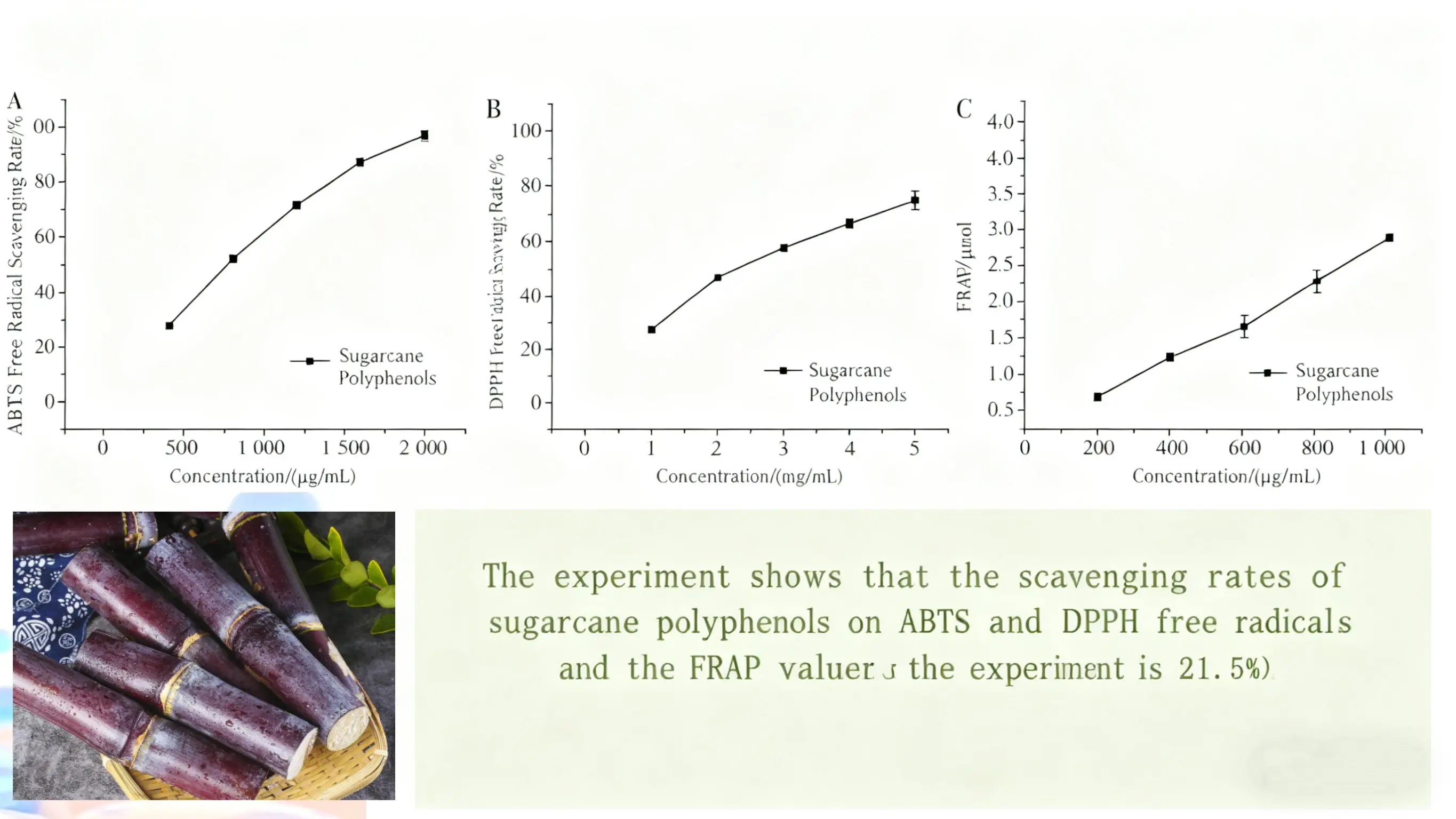
Modern extraction methods have moved away from traditional high-temperature steam distillation to a faster approach: a combination of ultrasonic pulsed electric fields and macroporous resin filtration. This involves lyophilization, pulsed cell wall disruption, low-temperature ultrasound, resin adsorption, stepwise ethanol elution, vacuum concentration, and spray drying. The entire process was performed at ≤45 °C, maintaining a yield of 2.4 mg GAE/g DW and minimizing heat-related component losses. The final product is a free-flowing white powder containing 20% to 40% polyphenols and ≥90% moisture. It can be used in a variety of applications, including beverages, pasta, confectionery, and skin creams.
COA
| Analysis | Description | Test Method |
| Appearance | White Powder | Visual |
| Odor | Characteristic | Nasil |
| Identification | Conform with reference sample | HPLC |
| Mesh Size | 100% pass 80 mesh | CP2020 |
| Moisture Content | ≤ 0.5% | GB5009.3 |
| Ash Content | ≤ 0.1% | GB5009.4 |
| Heavy Metals | ≤ 10 ppm | CP2020 |
| Arsenic (As) | ≤ 2.0 ppm | CP2020 |
| Lead (Pb) | ≤ 2.0 ppm | CP2020 |
| Cadmium (Cd) | ≤ 0.2 ppm | CP2020 |
| Mercury (Hg) | ≤ 0.01 ppm | CP2020 |
| Total Plate Count | ≤ 1,000 cfu/g | CP2020 |
| Yeast and Mold | ≤ 100 cfu/g | CP2020 |
| Escherichia Coli | Absent | CP2020 |
| Salmonella/25g | Absent | CP2020 |
| Assay(Octacosanol) | ≥ 60% | GC |
Star Applications of Sugarcane Polyphenols in Oral Health
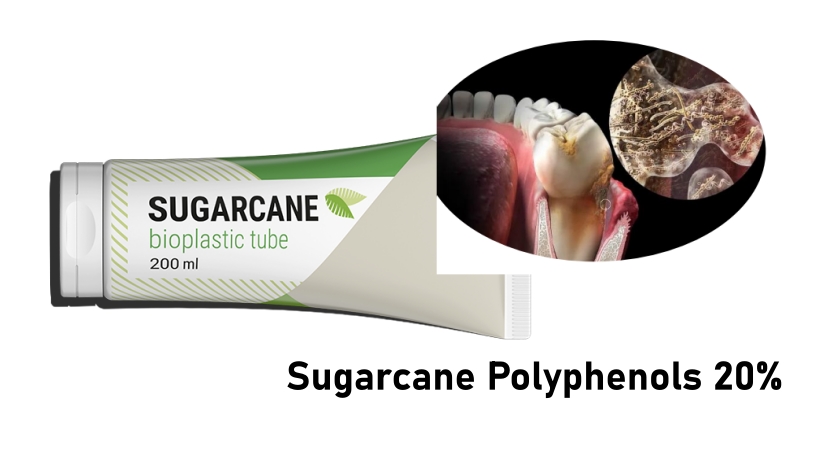
Sugarcane polyphenols provide a natural solution for "precision caries prevention":
Bactericidal effects: 14.99 mm inhibition zone, disrupts the S. mutans cell membrane, depolarizes the potential, and results in a large release of intracellular K⁺ and protein.
Biofilm inhibition: At a dose of 5 mg/mL, biofilm volume was reduced by 87.75%, with matrix disruption and bacterial collapse visible under scanning electron microscopy.
Neutralizes acid toxicity—blocking key enzymes in glycolysis, raising the culture medium pH from 4.8 to 6.4 and eliminating the "acid pool" environment that contributes to enamel demineralization.
Triple synergy—a trinity of "bactericidal + anti-film + neutralizing"—reduces bacterial counts while weakening their adhesion and acid production, achieving true "caries prevention at the source."
Currently, over 20 new products containing sugarcane polyphenols are available on the market, including "caries-fighting toothpaste," "gum-protecting mouthwash," and "children's oral spray." Clinical trials have shown that after eight weeks of continuous use, plaque index decreased by 32% and gingival sulcus bleeding decreased by 26%, with no reports of tooth staining or mucosal irritation. In the future, sugarcane polyphenols will be combined with xylitol and lactoferrin to create a "caries-free" oral care matrix for all ages.
Bactericidal effects: 14.99 mm inhibition zone, disrupts the S. mutans cell membrane, depolarizes the potential, and results in a large release of intracellular K⁺ and protein.
Biofilm inhibition: At a dose of 5 mg/mL, biofilm volume was reduced by 87.75%, with matrix disruption and bacterial collapse visible under scanning electron microscopy.
Neutralizes acid toxicity—blocking key enzymes in glycolysis, raising the culture medium pH from 4.8 to 6.4 and eliminating the "acid pool" environment that contributes to enamel demineralization.
Triple synergy—a trinity of "bactericidal + anti-film + neutralizing"—reduces bacterial counts while weakening their adhesion and acid production, achieving true "caries prevention at the source."
Currently, over 20 new products containing sugarcane polyphenols are available on the market, including "caries-fighting toothpaste," "gum-protecting mouthwash," and "children's oral spray." Clinical trials have shown that after eight weeks of continuous use, plaque index decreased by 32% and gingival sulcus bleeding decreased by 26%, with no reports of tooth staining or mucosal irritation. In the future, sugarcane polyphenols will be combined with xylitol and lactoferrin to create a "caries-free" oral care matrix for all ages.
Where can I buy sugarcane polyphenols powder?
If you are a brand owner or OEM/ODM manufacturer requiring stable, high-content sugarcane polyphenols raw materials with customizable specifications, please contact SOST directly. Available now:
Sugarcane Polyphenols 20% UV (Food Grade, Water-Soluble)
Sugarcane Polyphenols 30% HPLC (For Toothpaste/Mouthwash, Low Color and Odor)
Sugarcane Polyphenols 40% HPLC (For Anti-Glycolysis/Encapsulation, High Activity)
Third-party SGS and Eurofins re-testing are supported, and a full set of bioactivity reports, including ORAC, α-glucosidase inhibition, and anti-Streptococcus mutans, are available. Minimum order quantity for small-scale trials is 1 kg, with better pricing for larger quantities by the ton.
Contact us
Sugarcane Polyphenols 20% UV (Food Grade, Water-Soluble)
Sugarcane Polyphenols 30% HPLC (For Toothpaste/Mouthwash, Low Color and Odor)
Sugarcane Polyphenols 40% HPLC (For Anti-Glycolysis/Encapsulation, High Activity)
Third-party SGS and Eurofins re-testing are supported, and a full set of bioactivity reports, including ORAC, α-glucosidase inhibition, and anti-Streptococcus mutans, are available. Minimum order quantity for small-scale trials is 1 kg, with better pricing for larger quantities by the ton.
Packing & Shipping
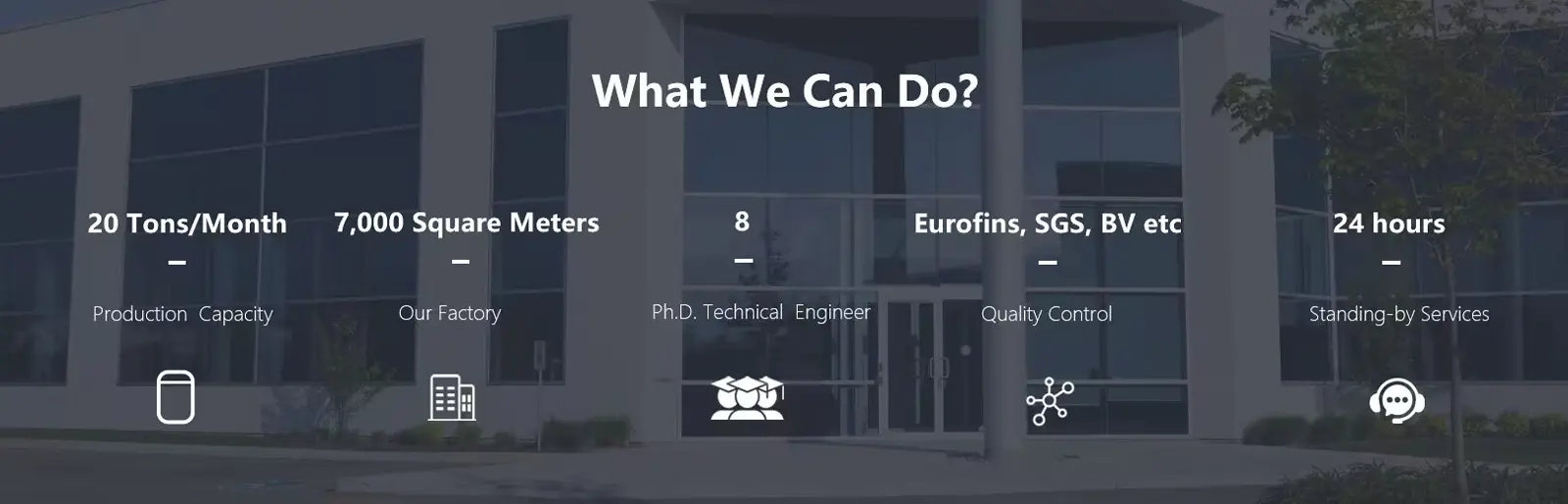
What We Can Do?
Product Data Sheets
| Analysis | Description | Test Method |
| Appearance | White Powder | Visual |
| Odor | Characteristic | Nasil |
| Identification | Conform with reference sample | HPLC |
| Mesh Size | 100% pass 80 mesh | CP2020 |
| Moisture Content | ≤ 0.5% | GB5009.3 |
| Ash Content | ≤ 0.1% | GB5009.4 |
| Heavy Metals | ≤ 10 ppm | CP2020 |
| Arsenic (As) | ≤ 2.0 ppm | CP2020 |
| Lead (Pb) | ≤ 2.0 ppm | CP2020 |
| Cadmium (Cd) | ≤ 0.2 ppm | CP2020 |
| Mercury (Hg) | ≤ 0.01 ppm | CP2020 |
| Total Plate Count | ≤ 1,000 cfu/g | CP2020 |
| Yeast and Mold | ≤ 100 cfu/g | CP2020 |
| Escherichia Coli | Absent | CP2020 |
| Salmonella/25g | Absent | CP2020 |
| Assay(Octacosanol) | ≥ 60% | GC |